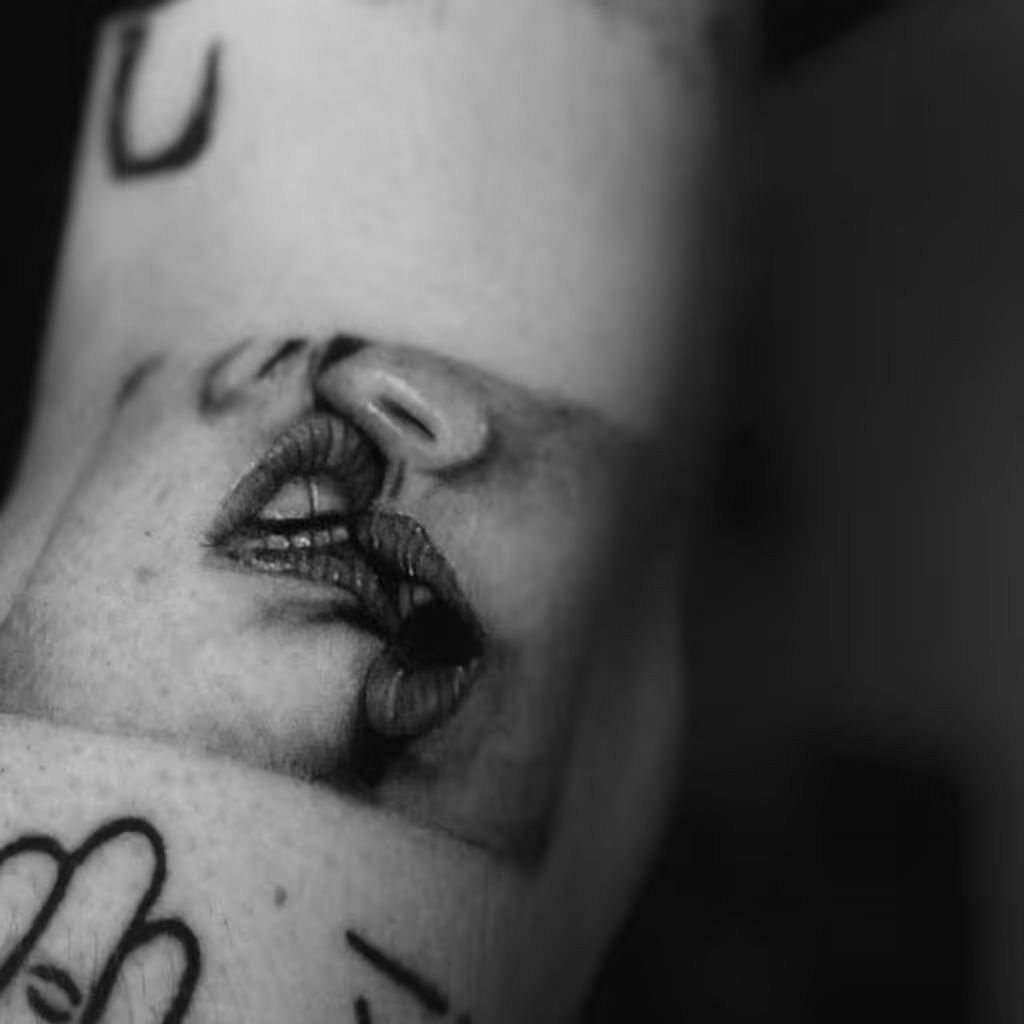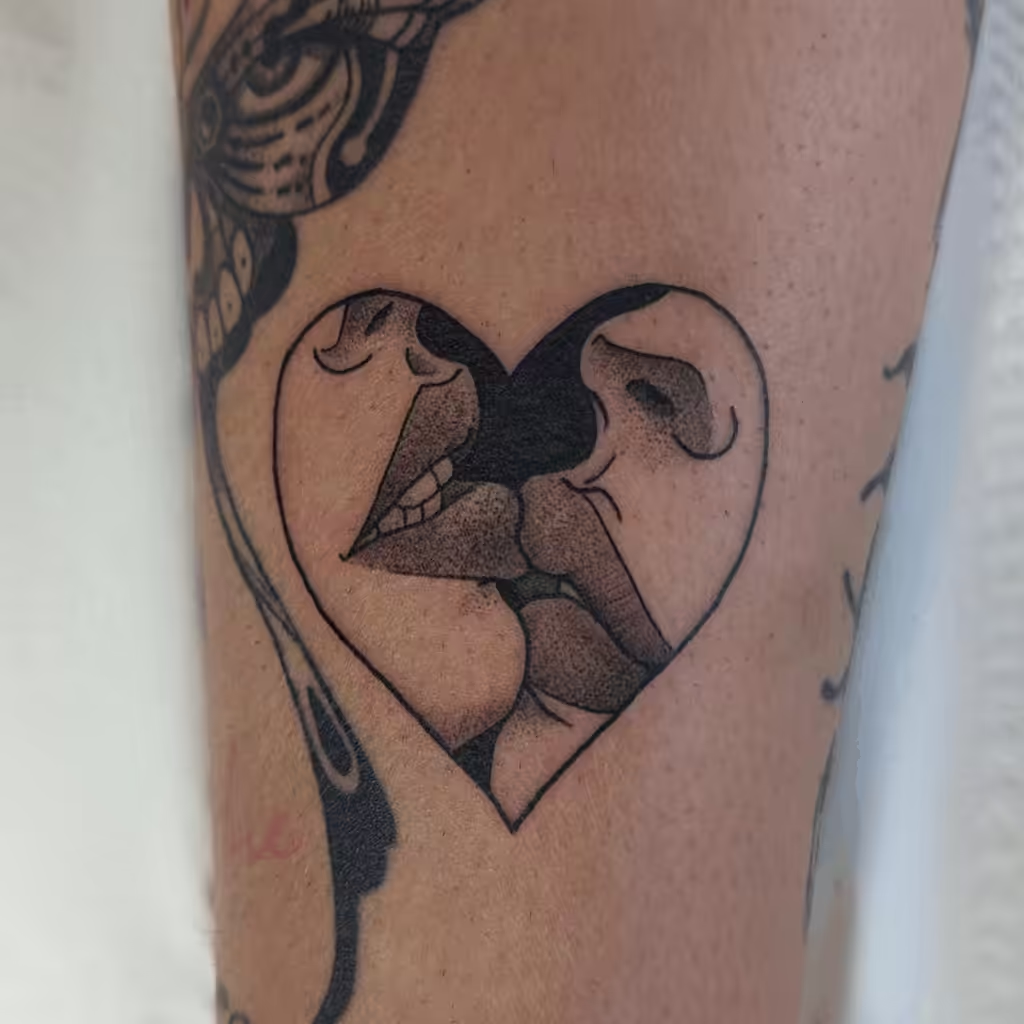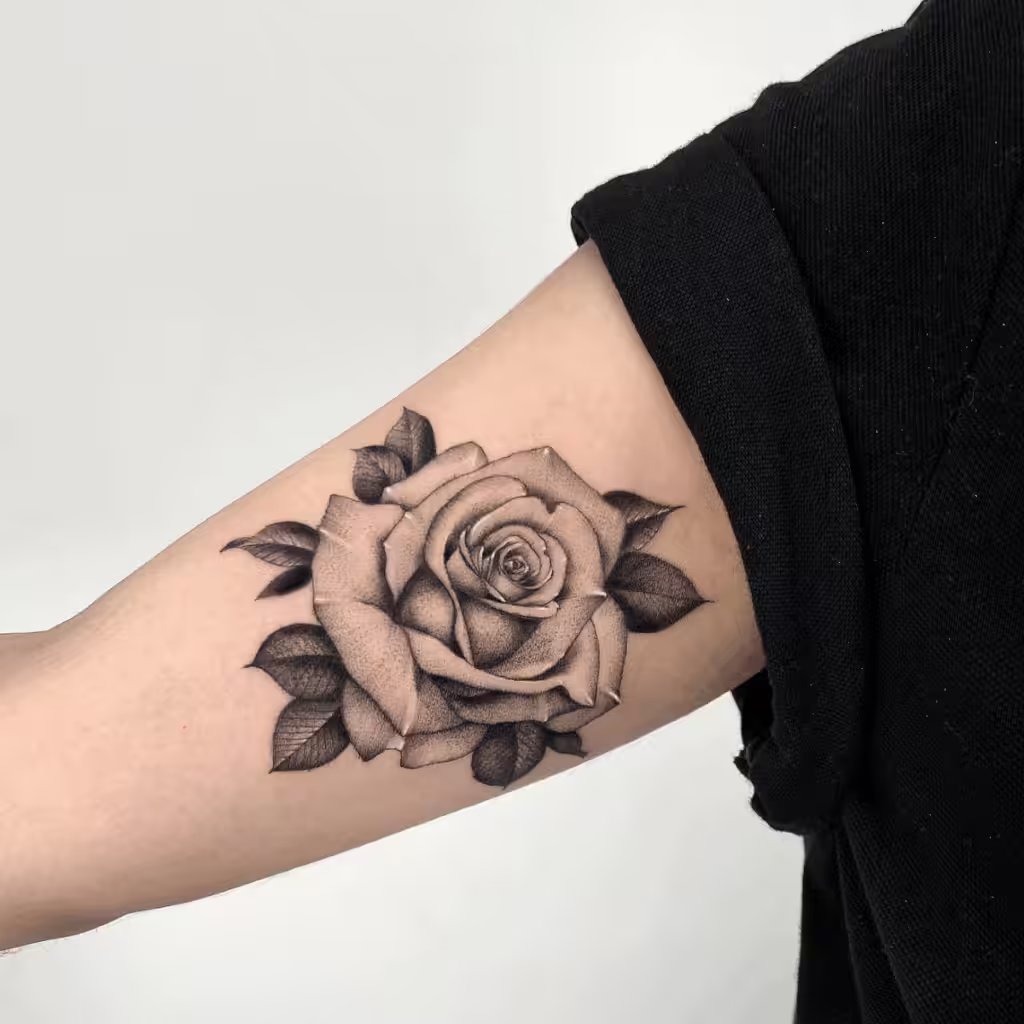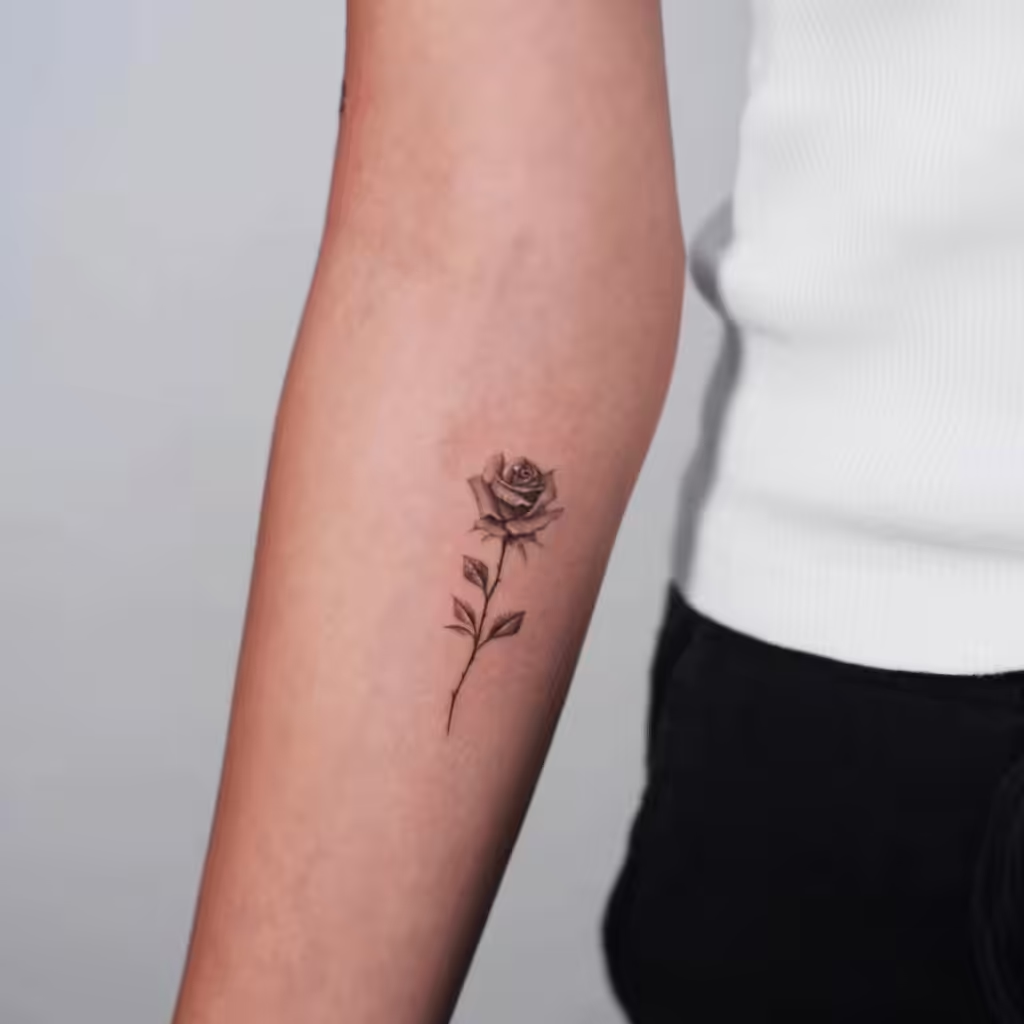
Tattoo regret is a common feeling, but it doesn’t have to be permanent. A skillfully executed tattoo cover up can transform an unwanted or faded piece of ink into a stunning new masterpiece. If you’re considering this journey, and specifically looking at Heatwave Tattoos, this article is your comprehensive resource on everything you need to know about cover up tattoos, the considerations involved, and how the expert artists at Heatwave Tattoos can help you achieve your desired result.
The Art and Science of a Tattoo Cover Up
A tattoo cover up is more than just tattooing over old ink; it’s a strategic artistic process. It involves creating a new design that not only beautifully stands alone but also cleverly disguises the lines, shading, and colors of the existing tattoo.
How a Cover Up Tattoos Works
Layering of Pigments: New ink is deposited into the dermis layer of the skin, where the old ink resides. The new pigment will blend with the old. Therefore, the new design must use colors and shading that can effectively neutralize or overwhelm the existing colors.
Strategic Design: The artist uses the flow, size, and complexity of the new design to distract the eye and camouflage the old tattoo. Elements like heavy shadows, weighted line work, and intricate textures (like florals, water, or fur) are essential tools in a cover up specialist’s arsenal.
Size & Darkness: The new tattoo almost always needs to be larger and often darker or more densely packed with color than the original to ensure complete and lasting coverage.
Why Choose Heatwave Tattoos for Your Cover Up?
While many shops offer cover-ups, successful work requires a high level of specialized skill. Heatwave Tattoos, often highlighted for its professionalism, cleanliness, and artistic talent, is a strong contender for your cover up journey.
Experienced Cover Up Tattoo Artists: Heatwave’s reputation is built on talented artists who often have proven experience in the complexities of cover up and rework projects. They understand how colors blend in the skin and which designs are most effective for concealment.
Custom Collaboration: The artists at Heatwave are known for taking the time to listen to a client’s vision, then providing expert advice on what is realistically achievable with the existing tattoo as a base.
High-Quality Results: Reviews frequently praise the studio’s commitment to delivering vibrant, detailed, and high-quality tattoos that heal beautifully, a critical factor for a long-lasting and effective cover-up.
Clean and Professional Environment: A cover-up is a multi-step process, and Heatwave is consistently noted for its immaculate studio and welcoming atmosphere, ensuring a comfortable and professional experience.
Essential Cover Up Tattoo Considerations
Before booking a consultation at Heatwave Tattoos (or any studio), understanding the key factors influencing your cover-up’s success is vital. Here is your checklist:
Factor
Impact on Cover Up Success
Size of Old Tattoo
The new tattoo must be at least as large—and usually significantly larger (often 2-3 times)—to allow for effective camouflage and design flow.
Color and Saturation
Dark, highly saturated tattoos (like heavy blackwork or deep reds/blues) are the most challenging. Faded, older, and lighter tattoos (like light graywash or soft colors) offer much more flexibility.
Age of Old Tattoo
Older tattoos (5+ years) where the ink has naturally faded and spread slightly are generally easier to cover than fresh, highly saturated pieces.
Design of Old Tattoo
Designs with thick, heavy black lines or large blocks of solid color are difficult to mask. The new design needs bold, complex imagery to break up and hide the old shapes.
Scar Tissue
If the original tattoo caused scarring, the skin texture will be raised, and new ink may not take as cleanly or evenly, often requiring more patience and potential touch-ups.
Laser Fading: The Game Changer
For very dark or challenging tattoos, Heatwave Tattoos or your artist may recommend 1-3 sessions of laser tattoo removal to lighten the original ink. This isn’t about complete removal; it’s about fading the tattoo to create a “lighter canvas,” which drastically increases your design options.
Design Strategies for a Successful Cover Up Tattoos
The right design is the secret to a great cover-up. Be prepared to be flexible and trust your artist’s expertise.
Best-Performing Cover Up Styles
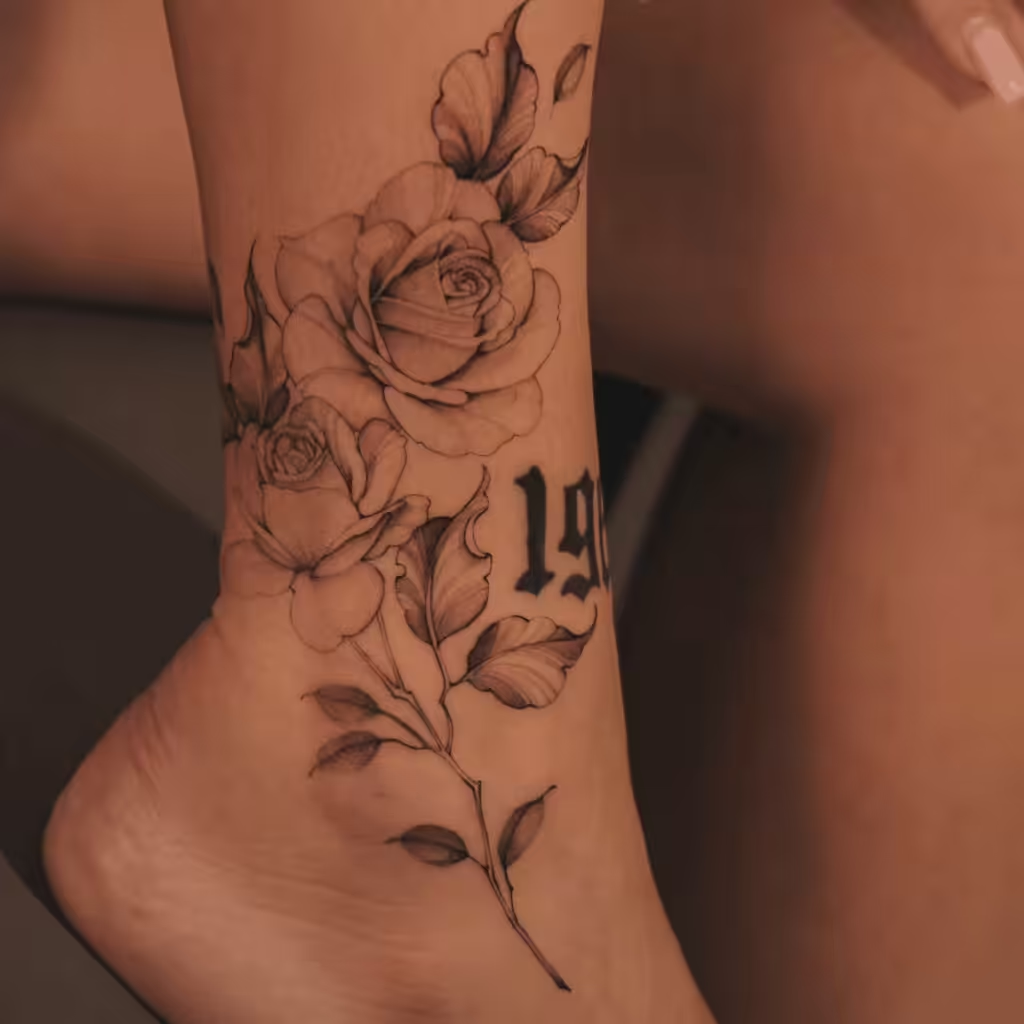
Nature-Inspired/Botanical: Flowers (especially roses, peonies, or organic scenes), foliage, and water elements are excellent due to their natural texture, complex shapes, and deep color packing capability.
Japanese Traditional: Known for its bold black outlines, large fields of solid, saturated color, and flowing compositions (dragons, koi, waves), this style is inherently well-suited for covering old work.
Organic/Textured Imagery: Designs with lots of varying texture, like animal fur/scales, butterflies, smoke, skulls, or heavy shadow work, help to successfully hide the old lines by disrupting the visual flow.
Important Design Tips
Embrace Darker Pigments: Rich, deep colors like deep blues, greens, purples, and black are necessary to block out the old ink. White or light colors cannot cover dark colors.
Focus on Detail and Density: The cover-up should be visually dense in the area covering the old ink to prevent “peek-through.”
Use the Old Tattoo: A great artist can often incorporate the darkest parts of your old tattoo into the shadows or heavy lines of the new design.
Your Cover Up Journey at Heatwave Tattoos: Next Steps
Ready to turn your old ink into a new favorite? Follow these steps for the best results:
Step 1: Consultation is Crucial
Book a Consultation: Contact Heatwave Tattoos specifically to discuss a cover up. Send clear photos of your current tattoo.
Be Open and Honest: Discuss your goals, but also your current tattoo’s history (age, any scarring).
Discuss Options: Your artist will assess the existing tattoo and advise on the most effective design, size, and potential need for pre-fading laser sessions.
Step 2: The Tattoo Process
Multiple Sessions: Be prepared for a cover-up to often require 2 or more sessions to achieve the necessary saturation and detail for complete coverage.
Healing: Follow all aftercare instructions diligently. A cover-up is working with layered ink, and proper healing is crucial for the final appearance and longevity of the piece.
Step 3: Aftercare and Touch-Ups
Future Maintenance: Cover ups can sometimes require a follow-up session or touch-up after a few months of healing to ensure the old ink remains fully concealed. Be prepared for this potential commitment.
Sun Protection: Always protect your tattoo from the sun. UV damage can cause fading, which is especially detrimental to a cover up where fading could reveal the underlying old tattoo.
Tattoo Cover Ups at Heatwave Tattoo Fort Lauderdale
Getting a new tattoo at Heatwave Tattoo in Fort Lauderdale is an exciting experience, you’ve just invested in a unique piece of permanent art! However the session is only half the journey. Proper aftercare is critical to ensure your tattoo heals beautifully, keeping the colors vibrant and the lines sharp for years to come.
As Fort Lauderdale’s premier tattoo studio, we’ve put together this comprehensive pillar page to guide you through the healing process, from the moment you leave our studio to long-term maintenance.
Phase 1: The First 24-48 Hours (Critical Care)
This is the most crucial time for your new tattoo, as it’s essentially an open wound. Following your artist’s specific instructions is paramount.
1. The Initial Bandage
Your Heatwave Tattoo artist will cover your new tattoo with a sterile dressing. This could be a traditional plastic wrap or a modern, breathable medical-grade adhesive film (like Saniderm or Dermalize).
Traditional Wrap (Plastic Wrap/Gauze):
Keep it on for the time specified by your artist (typically 2-3 hours). This protects your fresh ink from airborne bacteria and clothing friction during the most vulnerable period.
Do NOT re-bandage with household plastic wrap once removed, as this suffocates the wound and traps moisture, which can lead to infection and poor healing.
Modern Film (Second Skin):
Your artist will provide exact instructions, but you generally keep the first film on for 24 hours. It’s normal to see fluid (blood, plasma, and excess ink) collect underneath—this is a natural part of the healing process.
Remove it gently (ideally under warm running water in the shower) and clean the tattoo.
Your artist may suggest applying a second piece of film for an additional 3-5 days.
How to Care for a New Tattoo: The Ultimate Fort Lauderdale Aftercare Guide
Getting a new tattoo at Heatwave Tattoo in Fort Lauderdale is an exciting experience—you’ve just invested in a unique piece of permanent art! But the session is only half the journey. Proper aftercare is critical to ensure your tattoo heals beautifully, keeping the colors vibrant and the lines sharp for years to come.
As Fort Lauderdale’s premier tattoo studio, we’ve put together this comprehensive pillar page to guide you through the healing process, from the moment you leave our studio to long-term maintenance.
Phase 1: The First 24-48 Hours (Critical Care)
This is the most crucial time for your new tattoo, as it’s essentially an open wound. Following your artist’s specific instructions is paramount.
1. The Initial Bandage
Your Heatwave Tattoo artist will cover your new tattoo with a sterile dressing. This could be a traditional plastic wrap or a modern, breathable medical-grade adhesive film (like Saniderm or Dermalize).
If a Traditional Wrap (Plastic Wrap/Gauze) is Used:
Keep it on for the time specified by your artist (typically 2-3 hours). This protects your fresh ink from airborne bacteria and clothing friction during the most vulnerable period.
Do NOT re-bandage with household plastic wrap once removed, as this suffocates the wound and traps moisture, which can lead to infection and poor healing.
If a Modern Film (Second Skin) is Used:
Your artist will provide exact instructions, but you generally keep the first film on for 24 hours. It’s normal to see fluid (blood, plasma, and excess ink) collect underneath—this is a natural part of the healing process.
Remove it gently (ideally under warm running water in the shower) and clean the tattoo.
Your artist may suggest applying a second piece of film for an additional 3-5 days.
2. The First Wash
Once the initial bandage is removed:
Wash Your Hands:Always thoroughly wash your hands with antibacterial soap before touching your tattoo.
Use Lukewarm Water: Gently wash the entire area with mild, fragrance-free antibacterial soap (Dial Gold is a popular choice). Use clean fingers only; avoid abrasive cloths or sponges.
Gently Cleanse: Lightly rub the tattoo to remove all traces of plasma, blood, and ointment. This step prevents scabs from becoming thick and pulling out ink.
Pat Dry:DO NOT RUB. Gently pat the area dry with a clean, fresh paper towel. Air-dry for 5-10 minutes to ensure it is completely dry.
3. The First Application of Aftercare
Apply a very thin layer of the aftercare product recommended by your Heatwave artist. This will likely be a fragrance-free ointment (like Aquaphor, A+D, or a specialized tattoo balm).
Less is More: You only need enough product to make the tattoo slightly moist. If your tattoo looks shiny or goopy, you’ve used too much, which can suffocate the skin and prolong healing.
Keep it Open: Do not re-bandage the tattoo after this point (unless using a second skin film). It needs to breathe.
Phase 2: The First Two Weeks (Active Healing)
The main aftercare routine focuses on consistency: Cleanse and Moisturize.
Daily Aftercare Routine
Wash: Cleanse your tattoo gently 2-3 times per day using the method described above. Always wash after heavy sweating or exposure to a dirty environment.
Moisturize: Apply a very thin layer of your chosen aftercare ointment or a mild, fragrance-free lotion (like Lubriderm or Cetaphil Sensitive Skin) 2-3 times a day, or whenever the tattoo feels tight and dry.
Tip: After the first 5-7 days, most artists recommend switching from a thick ointment to a gentle, water-based, fragrance-free lotion.
What to Expect During This Phase
Timeline
What You See
What You Should Do
DO NOT DO
Days 1-3
Redness, swelling, and oozing (plasma/ink). It will feel tender, like a sunburn.
Consistent cleaning (2-3 times/day) and very light moisturizing.
Submerge in water, expose to sun, wear tight clothes over it.
Days 4-7
Redness subsides. The tattoo may look dull or cloudy. Light flaking or thin scabs start to form. Intense itching may begin.
Continue to wash and moisturize. Gently slap (don’t scratch!) to relieve itching.
Pick, scratch, or peel the flaking skin/scabs—let them fall off naturally.
Weeks 2-3
Most flaking and scabbing is gone. New skin is thin and shiny. The tattoo is almost healed on the surface.
Continue moisturizing with a mild lotion until the skin’s texture returns to normal.
Expose the new skin to direct sunlight.
The Fort Lauderdale Climate Consideration
Healing a tattoo in a humid, sunny place like Fort Lauderdale requires extra care:
Sweat: Sweat can irritate a new tattoo. If you work out, plan your aftercare so you can immediately wash your tattoo with gentle soap after your session.
Sand & Water:ABSOLUTELY NO swimming in the ocean, pools, lakes, hot tubs, or taking baths for at least 2-3 weeks (or until the tattoo is fully healed). NO BEACHES! Fort Lauderdale beaches are a no-go zone until healing is complete—submerging your tattoo risks a severe infection.
Sun: The Florida sun is your tattoo’s worst enemy. Keep your healing tattoo completely out of the sun. Cover it with loose, breathable clothing if you must go outside. Sunscreen cannot be applied until the tattoo is fully healed.
Phase 3: Long-Term Tattoo Care (Maintenance)
While the surface skin typically heals in 2-3 weeks, the deeper layers can take a few months. Long-term maintenance is essential for longevity.
Sun Protection is King
UV rays are the number one cause of tattoo fading.
After Healing: Once the peeling/flaking is completely gone, always apply a broad-spectrum sunscreen with an SPF of 30 or higher to your tattoo before sun exposure. Reapply often, especially when enjoying the Fort Lauderdale sunshine!
Daily Moisturizing: Keep your skin healthy and hydrated. Daily moisturizing keeps the colors looking fresh and vibrant.
Things to Continue Avoiding
Picking/Scratching: Continue to avoid picking at any lingering scabs or scratching the area.
Harsh Products: Stay away from products containing alcohol, fragrances, or exfoliating ingredients on the tattooed area.
Your Trusted Fort Lauderdale Artists
At Heatwave Tattoo, located in Fort Lauderdale, we are dedicated to both creating incredible art and ensuring it heals perfectly. If you have any questions or concerns about your aftercare—even if it seems minor—do not hesitate to call or stop by the shop.
Ready for your next piece? Book a consultation with one of our talented artists today and experience the Heatwave difference!
How to Care for a New Tattoo: The Ultimate Fort Lauderdale Aftercare Guide
Getting a new tattoo at Heatwave Tattoo in Fort Lauderdale is an exciting experience—you’ve just invested in a unique piece of permanent art! But the session is only half the journey. Proper aftercare is critical to ensure your tattoo heals beautifully, keeping the colors vibrant and the lines sharp for years to come.
As Fort Lauderdale’s premier tattoo studio, we’ve put together this comprehensive pillar page to guide you through the healing process, from the moment you leave our studio to long-term maintenance.
Phase 1: The First 24-48 Hours (Critical Care)
This is the most crucial time for your new tattoo, as it’s essentially an open wound. Following your artist’s specific instructions is paramount.
1. The Initial Bandage
Your Heatwave Tattoo artist will cover your new tattoo with a sterile dressing. This could be a traditional plastic wrap or a modern, breathable medical-grade adhesive film (like Saniderm or Dermalize).
If a Traditional Wrap (Plastic Wrap/Gauze) is Used:
Keep it on for the time specified by your artist (typically 2-3 hours). This protects your fresh ink from airborne bacteria and clothing friction during the most vulnerable period.
Do NOT re-bandage with household plastic wrap once removed, as this suffocates the wound and traps moisture, which can lead to infection and poor healing.
If a Modern Film (Second Skin) is Used:
Your artist will provide exact instructions, but you generally keep the first film on for 24 hours. It’s normal to see fluid (blood, plasma, and excess ink) collect underneath—this is a natural part of the healing process.
Remove it gently (ideally under warm running water in the shower) and clean the tattoo.
Your artist may suggest applying a second piece of film for an additional 3-5 days.
2. The First Wash
Once the initial bandage is removed:
Wash Your Hands:Always thoroughly wash your hands with antibacterial soap before touching your tattoo.
Use Lukewarm Water: Gently wash the entire area with mild, fragrance-free antibacterial soap (Dial Gold is a popular choice). Use clean fingers only; avoid abrasive cloths or sponges.
Gently Cleanse: Lightly rub the tattoo to remove all traces of plasma, blood, and ointment. This step prevents scabs from becoming thick and pulling out ink.
Pat Dry:DO NOT RUB. Gently pat the area dry with a clean, fresh paper towel. Air-dry for 5-10 minutes to ensure it is completely dry.
3. The First Application of Aftercare
Apply a very thin layer of the aftercare product recommended by your Heatwave artist. This will likely be a fragrance-free ointment (like Aquaphor, A+D, or a specialized tattoo balm).
Less is More: You only need enough product to make the tattoo slightly moist. If your tattoo looks shiny or goopy, you’ve used too much, which can suffocate the skin and prolong healing.
Keep it Open: Do not re-bandage the tattoo after this point (unless using a second skin film). It needs to breathe.
Phase 2: The First Two Weeks (Active Healing)
The main aftercare routine focuses on consistency: Cleanse and Moisturize.
Daily Aftercare Routine
Wash: Cleanse your tattoo gently 2-3 times per day using the method described above. Always wash after heavy sweating or exposure to a dirty environment.
Moisturize: Apply a very thin layer of your chosen aftercare ointment or a mild, fragrance-free lotion (like Lubriderm or Cetaphil Sensitive Skin) 2-3 times a day, or whenever the tattoo feels tight and dry.
Tip: After the first 5-7 days, most artists recommend switching from a thick ointment to a gentle, water-based, fragrance-free lotion.
What to Expect During This Phase
Timeline
What You See
What You Should Do
DO NOT DO
Days 1-3
Redness, swelling, and oozing (plasma/ink). It will feel tender, like a sunburn.
Consistent cleaning (2-3 times/day) and very light moisturizing.
Submerge in water, expose to sun, wear tight clothes over it.
Days 4-7
Redness subsides. The tattoo may look dull or cloudy. Light flaking or thin scabs start to form. Intense itching may begin.
Continue to wash and moisturize. Gently slap (don’t scratch!) to relieve itching.
Pick, scratch, or peel the flaking skin/scabs—let them fall off naturally.
Weeks 2-3
Most flaking and scabbing is gone. New skin is thin and shiny. The tattoo is almost healed on the surface.
Continue moisturizing with a mild lotion until the skin’s texture returns to normal.
Expose the new skin to direct sunlight.
The Fort Lauderdale Climate Consideration
Healing a tattoo in a humid, sunny place like Fort Lauderdale requires extra care:
Sweat: Sweat can irritate a new tattoo. If you work out, plan your aftercare so you can immediately wash your tattoo with gentle soap after your session.
Sand & Water: ABSOLUTELY NO swimming in the ocean, pools, lakes, hot tubs, or taking baths for at least 2-3 weeks (or until the tattoo is fully healed). NO BEACHES! Fort Lauderdale beaches are a no-go zone until healing is complete—submerging your tattoo risks a severe infection.
Sun: The Florida sun is your tattoo’s worst enemy. Keep your healing tattoo completely out of the sun. Cover it with loose, breathable clothing if you must go outside. Sunscreen cannot be applied until the tattoo is fully healed.
Phase 3: Long-Term Tattoo Care (Maintenance)
While the surface skin typically heals in 2-3 weeks, the deeper layers can take a few months. Long-term maintenance is essential for longevity.
Sun Protection is King
UV rays are the number one cause of tattoo fading.
After Healing: Once the peeling/flaking is completely gone, always apply a broad-spectrum sunscreen with an SPF of 30 or higher to your tattoo before sun exposure. Reapply often, especially when enjoying the Fort Lauderdale sunshine!
Daily Moisturizing: Keep your skin healthy and hydrated. Daily moisturizing keeps the colors looking fresh and vibrant.
Things to Continue Avoiding
Picking/Scratching: Continue to avoid picking at any lingering scabs or scratching the area.
Harsh Products: Stay away from products containing alcohol, fragrances, or exfoliating ingredients on the tattooed area.
When to Contact Heatwave Tattoo or a Doctor
While mild swelling and redness are normal, you should contact Heatwave Tattoo immediately if you experience any of the following signs of infection:
Excessive Swelling: Swelling that extends significantly beyond the tattoo border.
Severe Pain: Intense pain that is not relieved with over-the-counter pain relievers.
Foul Odor or Unusual Discharge: Thick, yellow, or greenish discharge, or a noticeable foul smell.
Fever or Chills: These are systemic signs of a serious infection and require immediate medical attention.
Your Trusted Fort Lauderdale Artists
At Heatwave Tattoo, located in Fort Lauderdale, we are dedicated to both creating incredible art and ensuring it heals perfectly. If you have any questions or concerns about your aftercare, even if it seems minor, do not hesitate to call or stop by the shop.
Ready for your next piece? Book a consultation with one of our talented artists today and experience the Heatwave difference! Heatwave Tattoo located at 2609 E Commercial Blvd Unit B, Fort Lauderdale, FL 33308 (954) 900-5650.
The butterfly: a creature of delicate beauty, vibrant color, and breathtaking transformation. It’s no wonder this winged wonder remains one of the most timeless and beloved tattoo motifs across the globe.
A butterfly tattoo isn’t just a pretty piece of body art—it’s a powerful symbol of your journey, resilience, and personal evolution. Thinking about getting one? You’ve come to the right place. Dive into our ultimate guide to the most popular butterfly tattoo ideas, their profound meanings, and the perfect placements to make your ink truly soar.
Soar High: The Ultimate Guide to Butterfly Tattoo Ideas and Meanings
The butterfly: a creature of delicate beauty, vibrant color, and breathtaking transformation. It’s no wonder this winged wonder remains one of the most timeless and beloved tattoo motifs across the globe.
A butterfly tattoo isn’t just a pretty piece of body art—it’s a powerful symbol of your journey, resilience, and personal evolution. Thinking about getting one? You’ve come to the right place. Dive into our ultimate guide to the most popular butterfly tattoo ideas, their profound meanings, and the perfect placements to make your ink truly soar.
The Profound Meaning Behind the Butterfly Tattoo
Before you choose a design, understanding the rich symbolism behind the butterfly can help you infuse your ink with deep, personal meaning.
Symbol
Meaning
Transformation & Rebirth
The most popular meaning, reflecting the butterfly’s metamorphosis from caterpillar to winged creature. It symbolizes major life changes, personal growth, or a new beginning.
Freedom & Liberation
The ability of the butterfly to fly freely represents breaking away from constraints, independence, and a free-spirited nature.
Resilience
Despite their delicate appearance, butterflies endure a tough life cycle, making them a powerful symbol of inner strength and overcoming hardship.
Beauty & Grace
Naturally, the butterfly’s intricate patterns and vibrant colors represent elegance, femininity, and celebrating one’s own outer and inner beauty.
Spiritual Connection
In various cultures (like Ancient Greece and Japan), the butterfly is connected to the soul, spiritual growth, and the cycle of life, death, and rebirth.
Top Butterfly Tattoo Designs Trending Now
The beauty of a butterfly tattoo lies in its versatility. It can be adapted to almost any style, size, or color palette. Here are the most exciting designs to inspire your next ink:
1. The Realistic Monarch
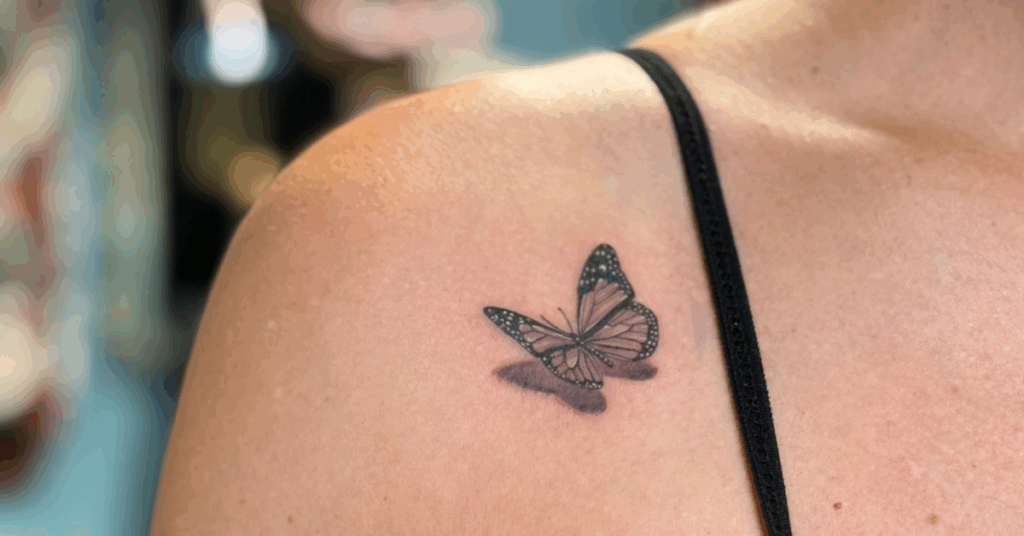
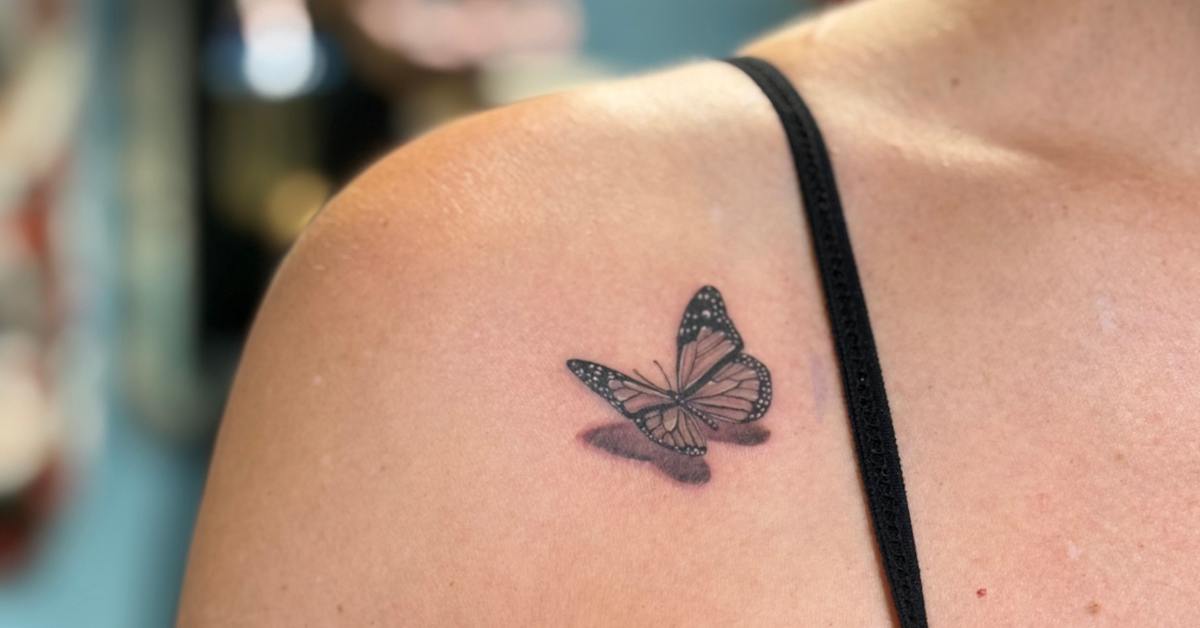
The Look: Hyper-detailed, featuring the Monarch’s iconic orange and black wings.
The Meaning: The Monarch is often associated with endurance, migration, and the vastness of a life journey. This design is perfect if you want your tattoo to look like it could literally fly off your skin.
Best Placement: Shoulder blade, forearm, or the calf, as these larger, flatter areas allow the artist to focus on minute detail and shading.
2. Fine Line & Minimalist Flutter
The Look: Simple, elegant, and often tiny. This style uses thin, single-needle lines to create the butterfly’s outline with little to no shading or color.
The Meaning: Focuses on pure form and the essence of change. It’s a subtle yet powerful reminder of personal growth.
Best Placement: Inner wrist, behind the ear, or on the fingers/ankles for a delicate touch.
3. Watercolor Butterfly
The Look: A vibrant, painterly style where colors bleed and blend into soft edges, mimicking a watercolor painting. The wings appear almost ethereal and light.
The Meaning: Represents a dreamy, artistic, and free-flowing approach to life. It speaks to imagination and creative liberation.
Pro-Tip: Pair it with the bright blue of a Morpho butterfly for an unforgettable, striking piece.
4. Floral Combinations
The Look: The butterfly is paired with flowers like roses, cherry blossoms, or lotuses. The two elements are inextricably linked in a single, flowing design.
The Meaning:The Lotus and butterfly combination is popular, symbolizing emerging beauty and purity from a difficult past (much like the lotus growing from the mud). Roses add a layer of love and passion.
Best Placement: The upper arm (triceps/biceps), side of the ribcage, or flowing down the spine.
5. Geometric Butterfly
The Look: The butterfly’s wings are designed using sharp lines, dots, and geometric shapes (triangles, hexagons) instead of organic curves. It’s often done in blackwork.
The Meaning: Symbolizes a structured, mindful approach to personal growth. It represents the harmony between the natural world (the butterfly) and mathematical precision (the geometry).
6. The Semicolon Butterfly
The Look: A butterfly design where the body is replaced by or subtly incorporates a semicolon (;).
The Meaning: A profoundly meaningful design associated with the semicolon project, representing a pause rather than an end. The butterfly adds the layer of resilience and rebirth after a struggle with mental health, addiction, or self-harm.
Perfect Placement: Where to Put Your Wings
The location of your tattoo can be just as symbolic as the design itself.
Placement
Why It Works
Symbolic Significance
Back/Shoulder Blades
A large, flat canvas perfect for intricate, symmetrical designs or a series of flying butterflies.
Symbolizes the wings on your back, freedom, the ability to soar, and protection.
Forearm/Inner Wrist
Highly visible and easy to look at. Great for small to medium designs.
A constant, daily reminder of your transformation or strength. A subtle design on the wrist can symbolize the end of one life phase and the start of a new one.
Ankle/Foot
Ideal for a single, tiny, or minimalist butterfly.
A charming, discreet placement that symbolizes your journey, forward movement, and the grace with which you walk through life.
Collarbone/Chest
A highly visible and elegant location for two wings, or a centered piece.
Kept close to the heart, it often represents love, the soul (Psyche), and deeply personal spiritual growth.
Area Opposite the Elbow (Ditch)
A unique placement where a butterfly’s wings appear to “flap” as you bend your arm.
Symbolizes transition and movement, perfectly matching the butterfly’s meaning of change.
Ready to Fly? Final Advice Before You Ink at Heatwave Tattoo Fort Lauderdale
For a stunning, high-quality tattoo, especially one as intricate as a butterfly design, the process begins with selecting the right professional, like the experts at Heatwave Tattoo, whose portfolio should demonstrate mastery of fine lines, color saturation, and the specific style you desire (such as hyper-realism or minimalist).
It is crucial to have an open discussion about size, as the longevity and clarity of the design depend on the artist’s professional recommendation, especially concerning the blurring of details in very small pieces.
Ultimately, your tattoo’s deepest value comes from the meaning you assign to it, be it a Monarch or a simple outline, making your chosen design a personal and gorgeous reminder of your potential for transformation and flight. Give us a call (954) 900-5650 to book your appointment.