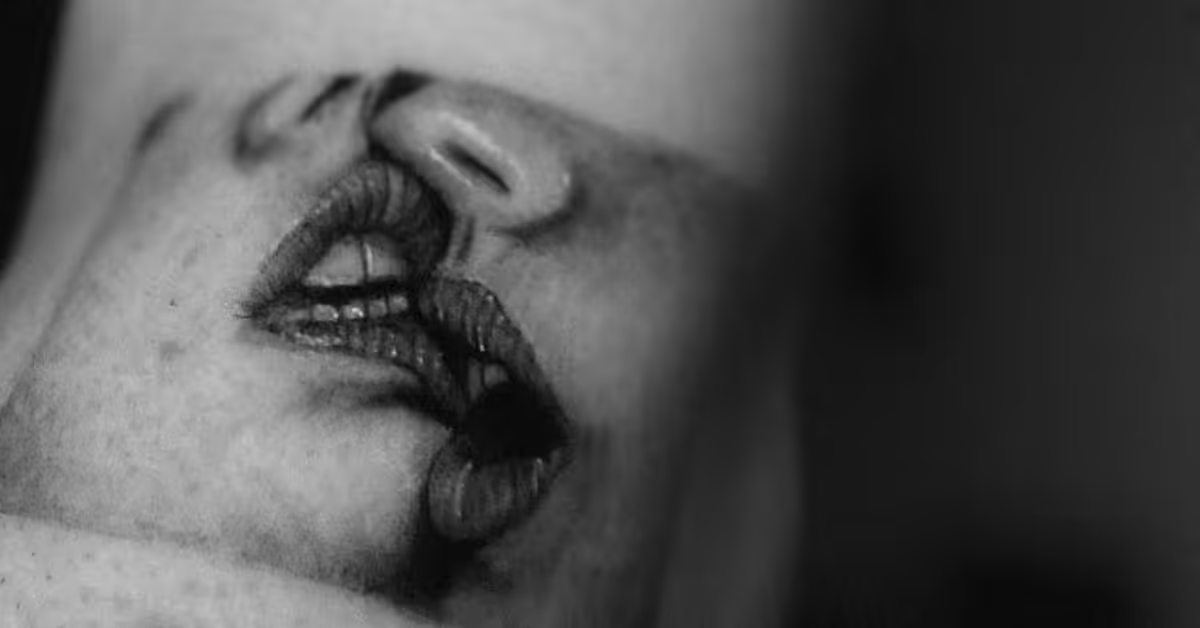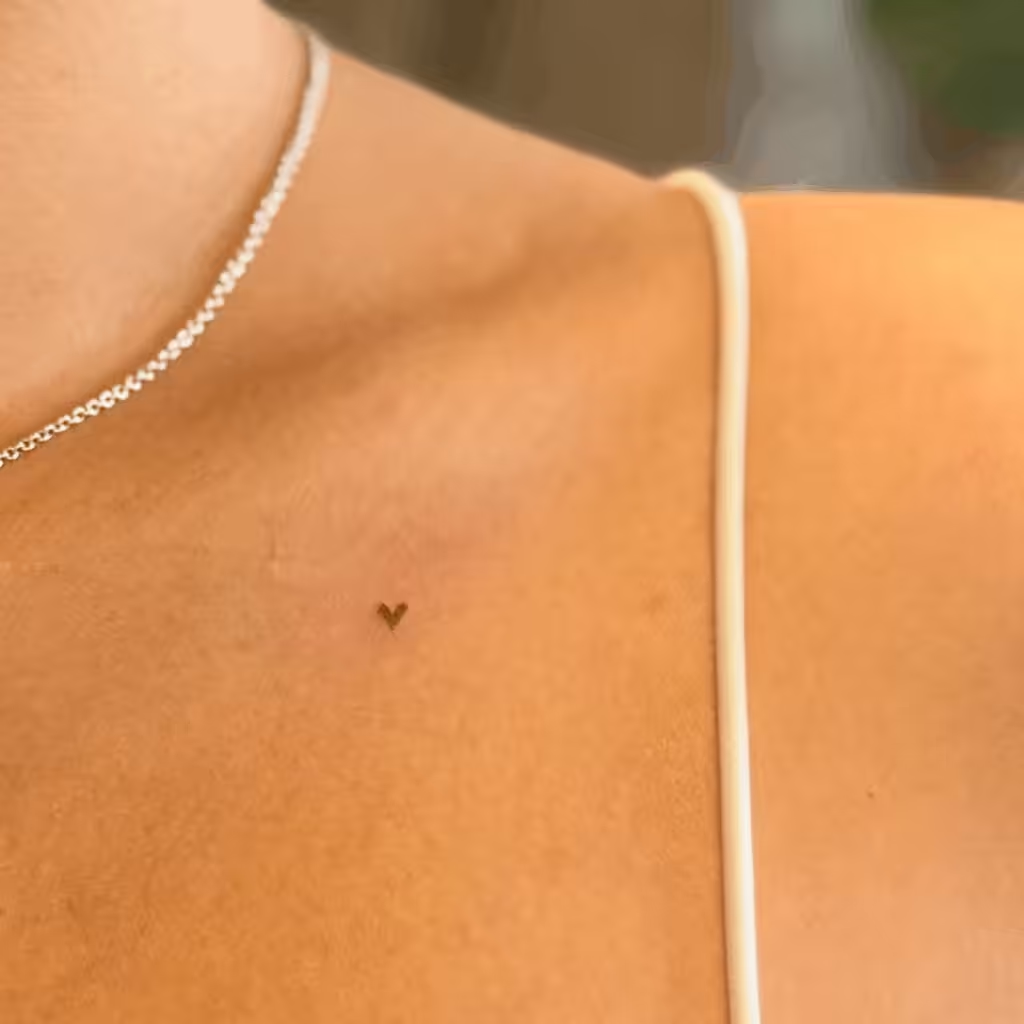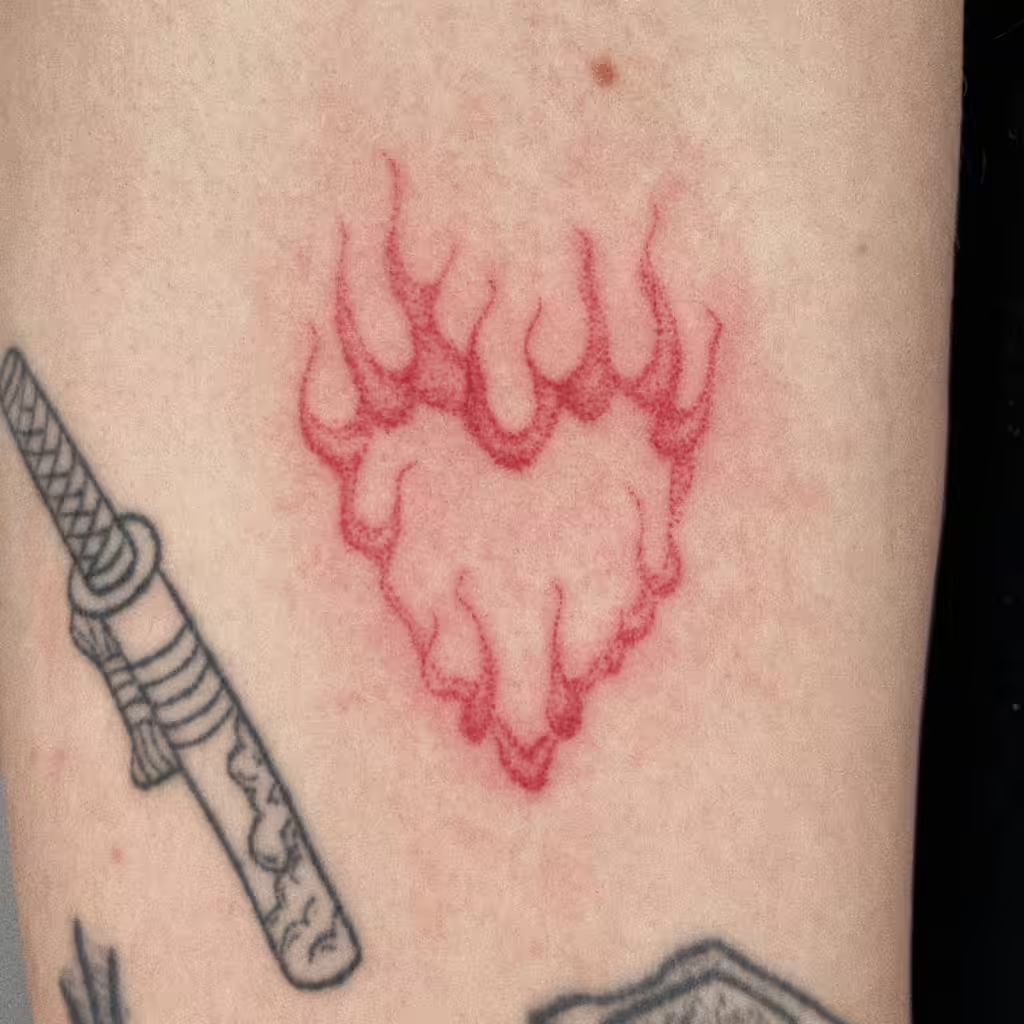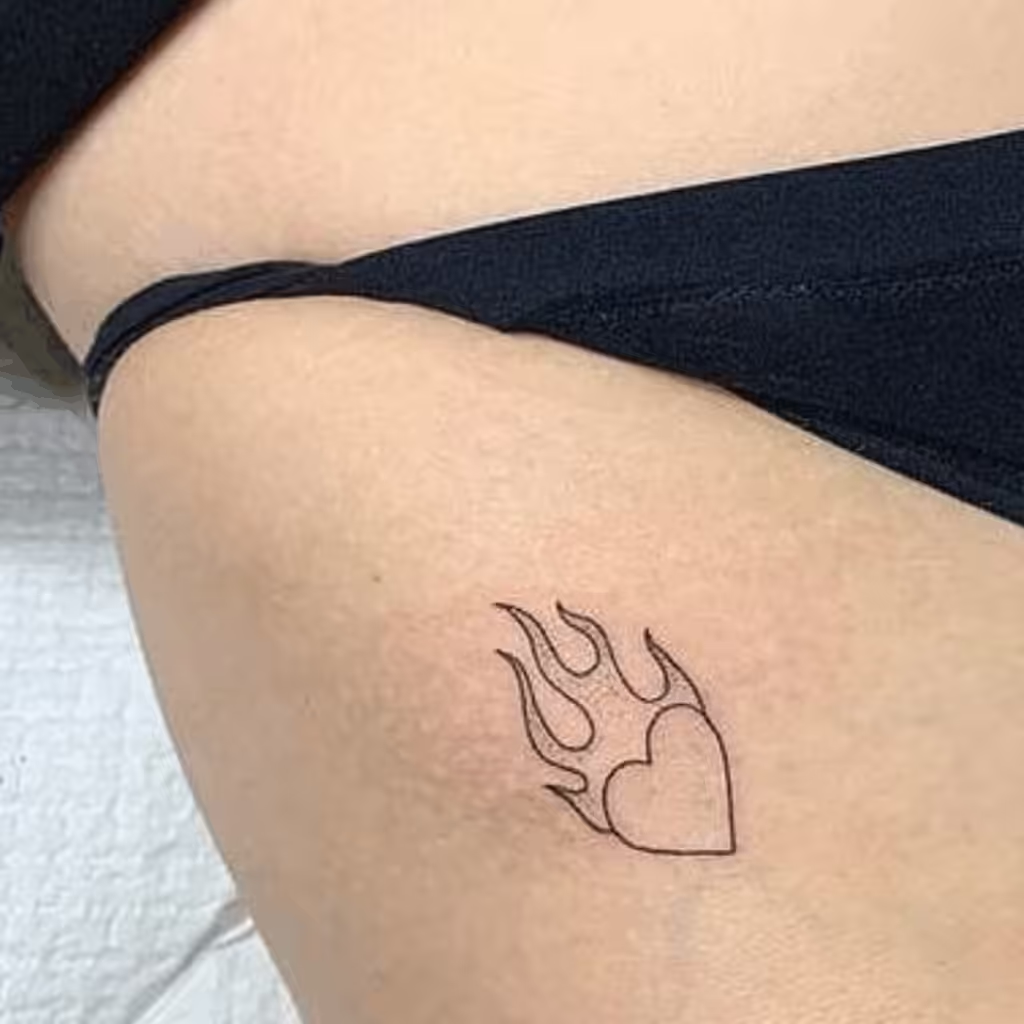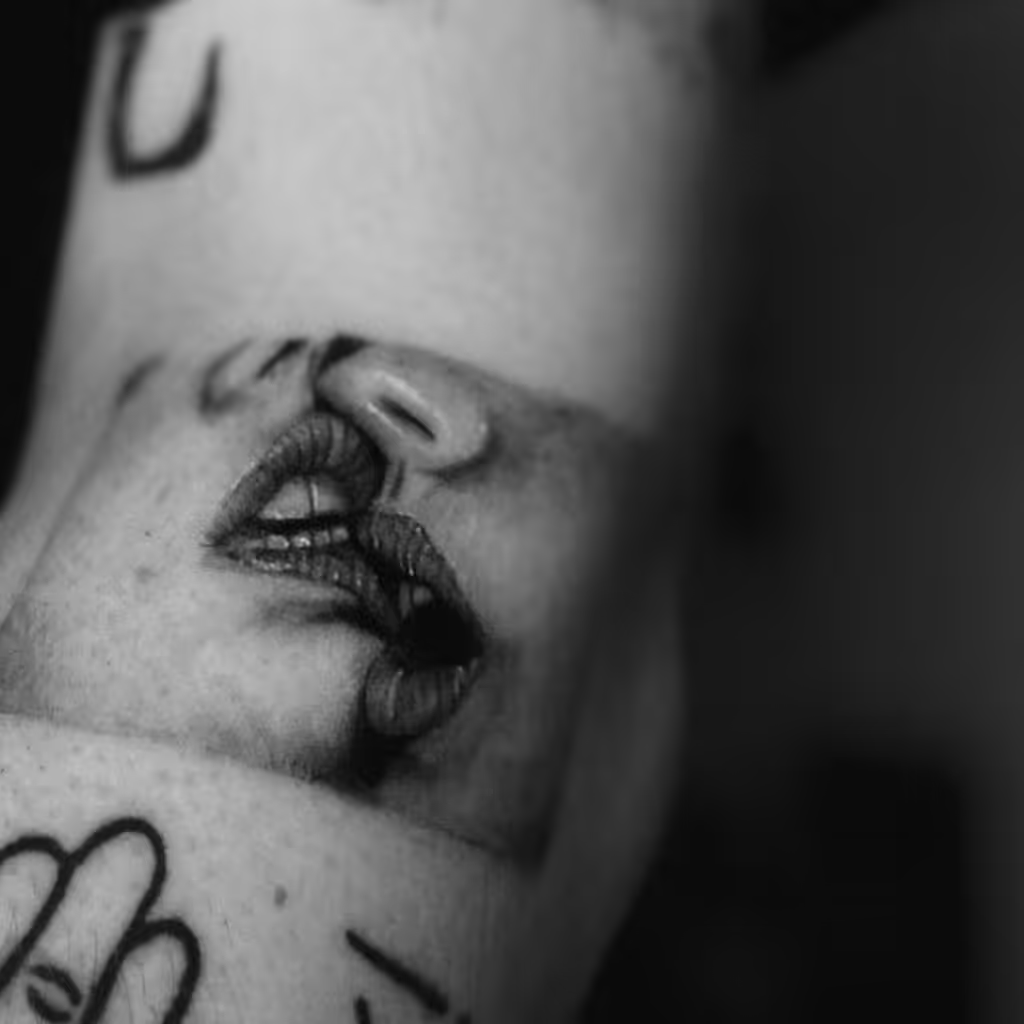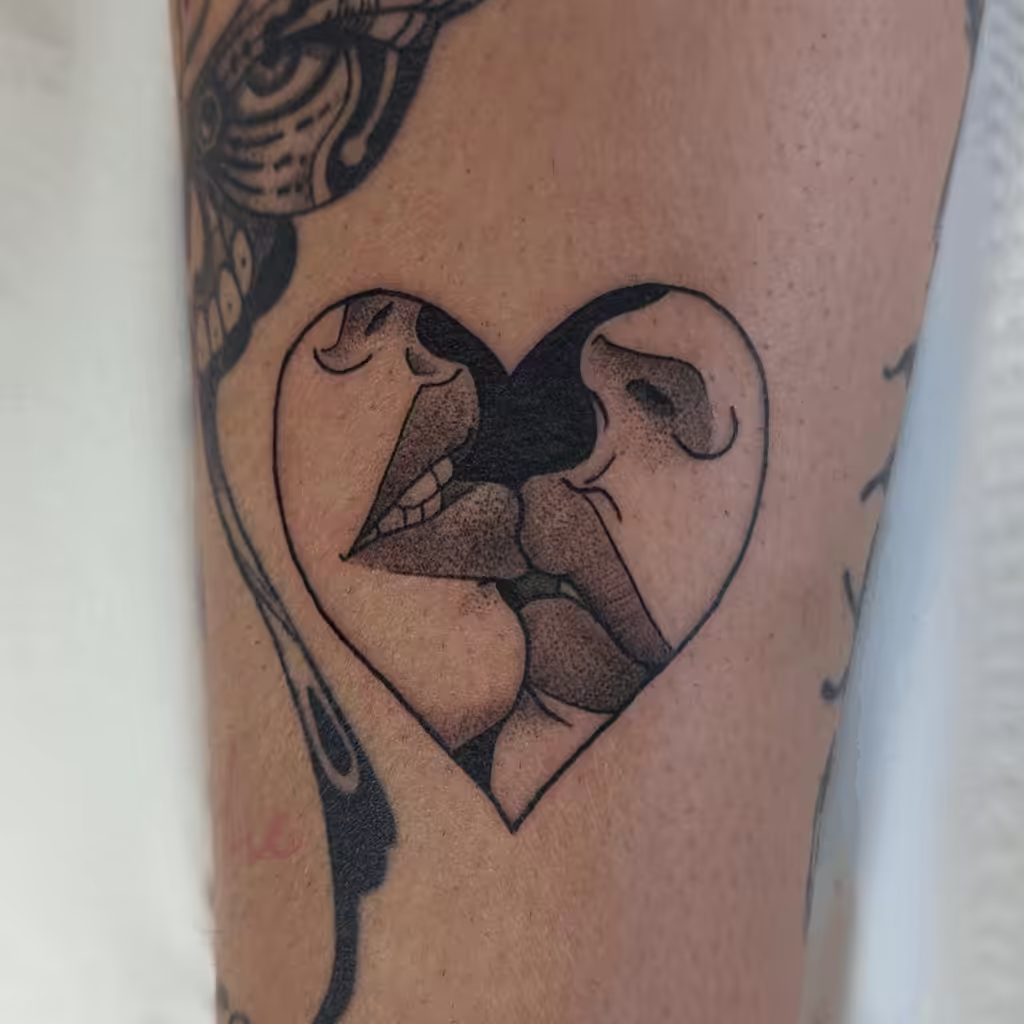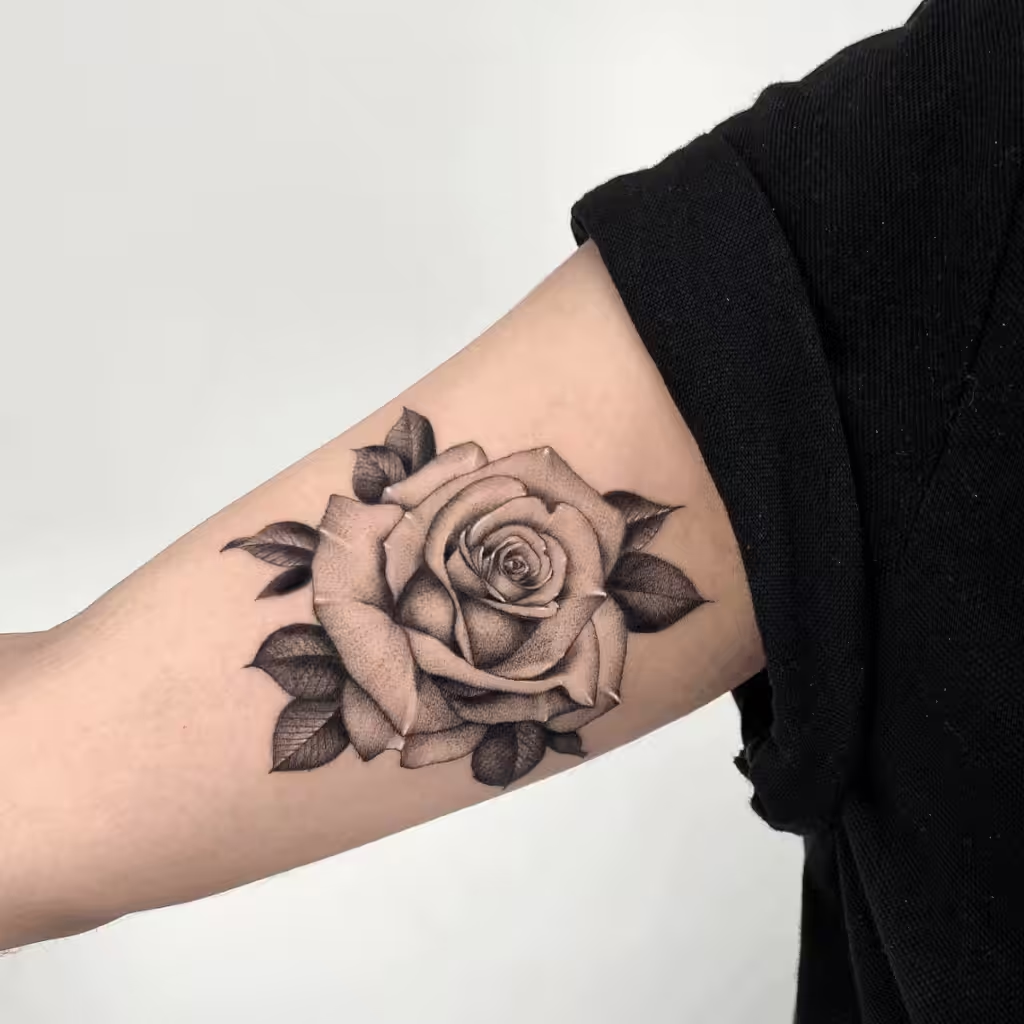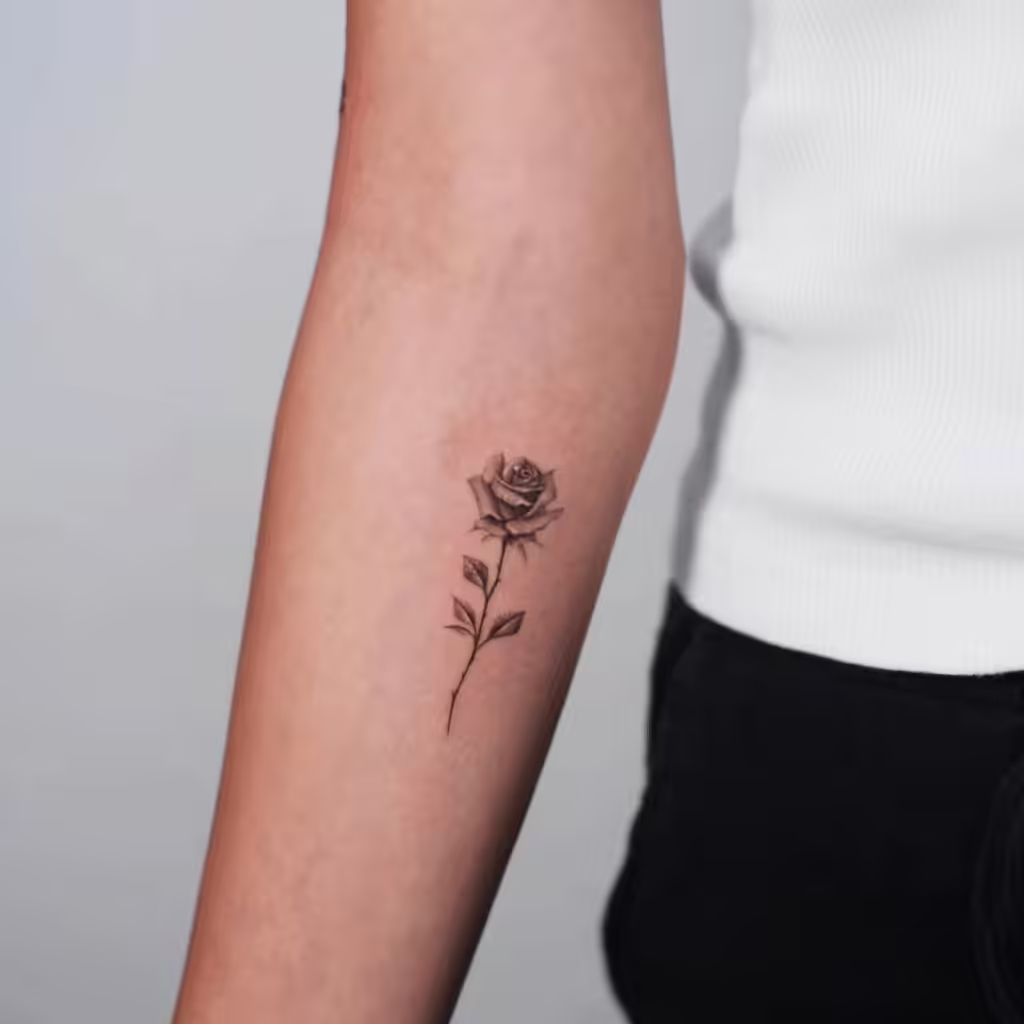
Here is Why We Love The Return of The Tramp Stamp Tattoo

Remember the days of butterfly clips, frosted lip gloss, and dangerously low-rise jeans? Well, grab your Von Dutch hat because the year 2000 is calling, and it’s bringing the body art that defined a generation: the tramp stamp.

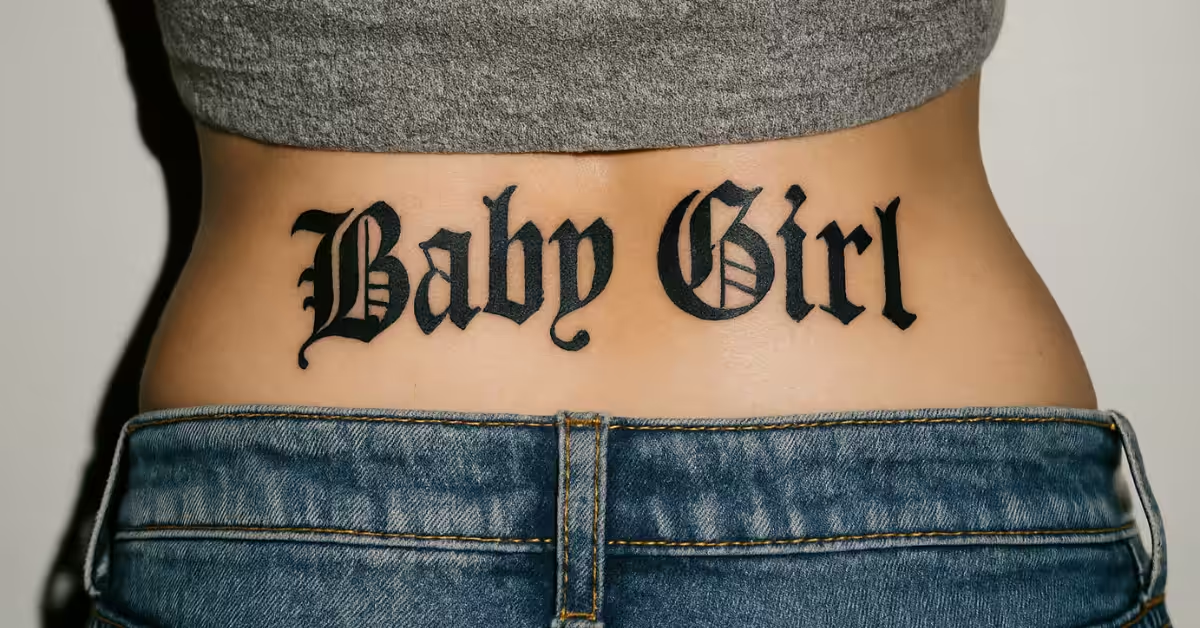
Once the target of endless, often misogynistic jokes, the lower back tattoo is no longer a punchline. Thanks to the unstoppable force of the Y2K aesthetic revival, this iconic ink is making a triumphant and empowering comeback. It’s not just a trend—it’s a reclamation.

From Taboo to Trendsetter: The Tramp Stamp’s Evolution

For those who lived through the era, the lower back tattoo, infamously nicknamed the “tramp stamp,” was everywhere. Pop icons like Britney Spears, Christina Aguilera, and Nicole Richie proudly showed off their ink—fairies, tribal designs, and celestial motifs peeking out above low-slung waistbands.

But the moment was short-lived. By the mid-2000s, the tattoo was widely shamed, often associated with a “trashy” or promiscuous image. The term “tramp stamp” itself, thought to have been popularized by a 2004 Saturday Night Live skit, cemented a derogatory cultural stereotype.

The Big Shift: Reclaiming the Canvas

Today, Gen Z and younger Millennials are breathing new life into the lower back tattoo, consciously reclaiming it as a symbol of self-expression and feminine empowerment.

The revival is a deliberate rejection of the old, sexist narrative. It’s a statement that says, “My body, my art, my rules.” The once-maligned placement is now viewed as an incredibly flattering canvas that naturally accentuates the body’s curves.

The New Ink Order: Modern Tramp Stamp Trends

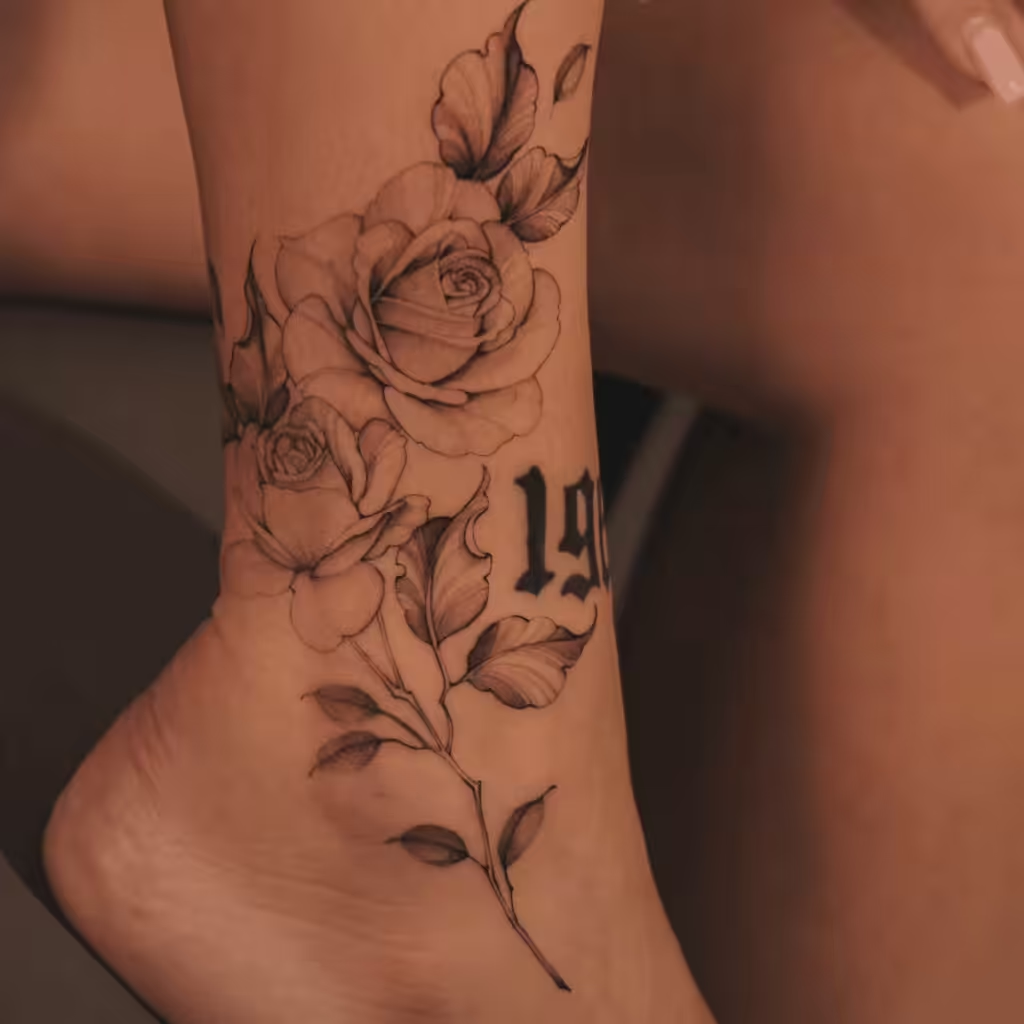
Forget the chunky black tribal designs of the past. The modern tramp stamp has evolved, adopting the delicate aesthetics favored by contemporary tattoo culture.

Y2K Original StyleThe Modern Revival Twist
Thick Tribal BandsFine Line & Minimalist Tribal – Thin, delicate lines that honor the classic style with a softer edge.
Cookie-Cutter FlashCustom & Personal Narratives – Unique symbols, hand-poked designs, and personalized scripts or phrases.
Bold Black InkVibrant Color & Celestial Motifs – Soft pastels, cosmic themes, botanicals, and delicate lettering that embrace color.
Horizontal PlacementVertical Flow – Designs that follow the curve of the spine, drawing the eye up and down the back.

Beyond the Lower Back: The Full Y2K Tattoo Menu

The tramp stamp is the star, but it’s not the only piece of Y2K body art making a splash. The whole nostalgic ecosystem of early-2000s ink is back, tapping into that sweet spot of childhood memories and edgy-but-cute aesthetics.

Must-Have Y2K Tattoo Styles:

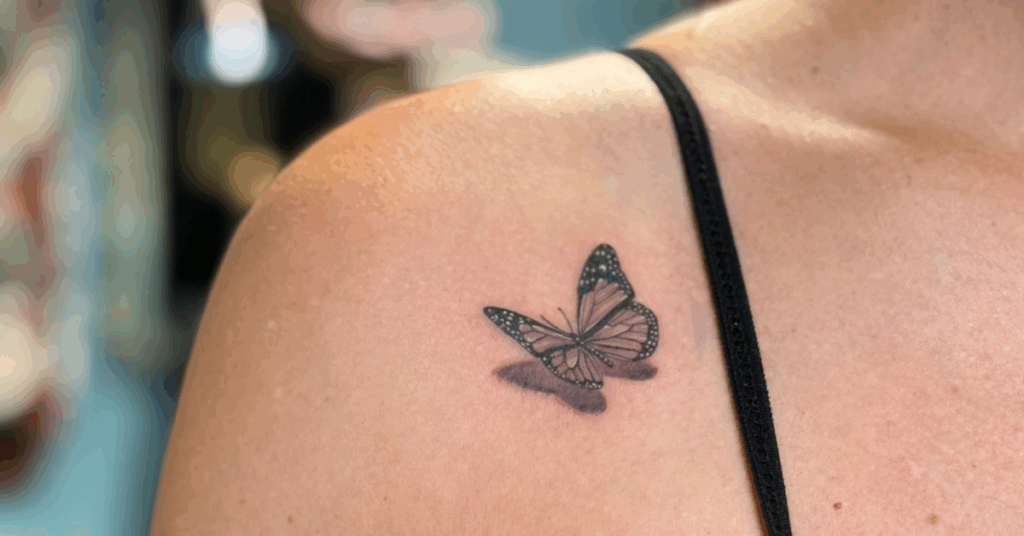
  • The Butterfly Effect: Symbolizing transformation and freedom, the butterfly is the undisputed queen of Y2K ink. Think small, cute, and often in fine line or soft color palettes.
  • Stars and Celestial Swirls: Tiny, scattering stars, especially trailing down the neck or ankle—are a perfect nod to the era’s pop-punk energy and digital-age aesthetic.
  • “Charm” Tattoos: Collecting small, sticker-like, random icons across the arms and legs. Think cherries, small hearts, dice, fire, and simplified cartoon flowers.
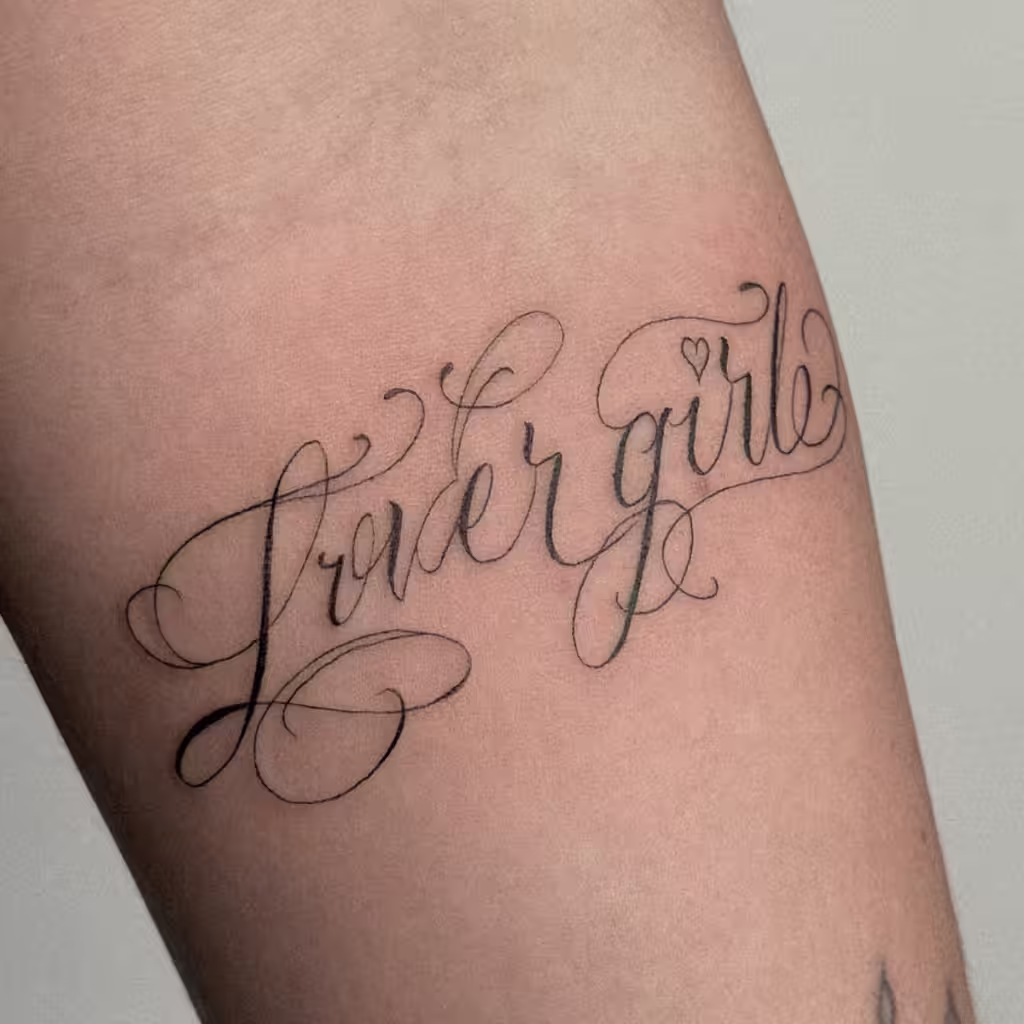
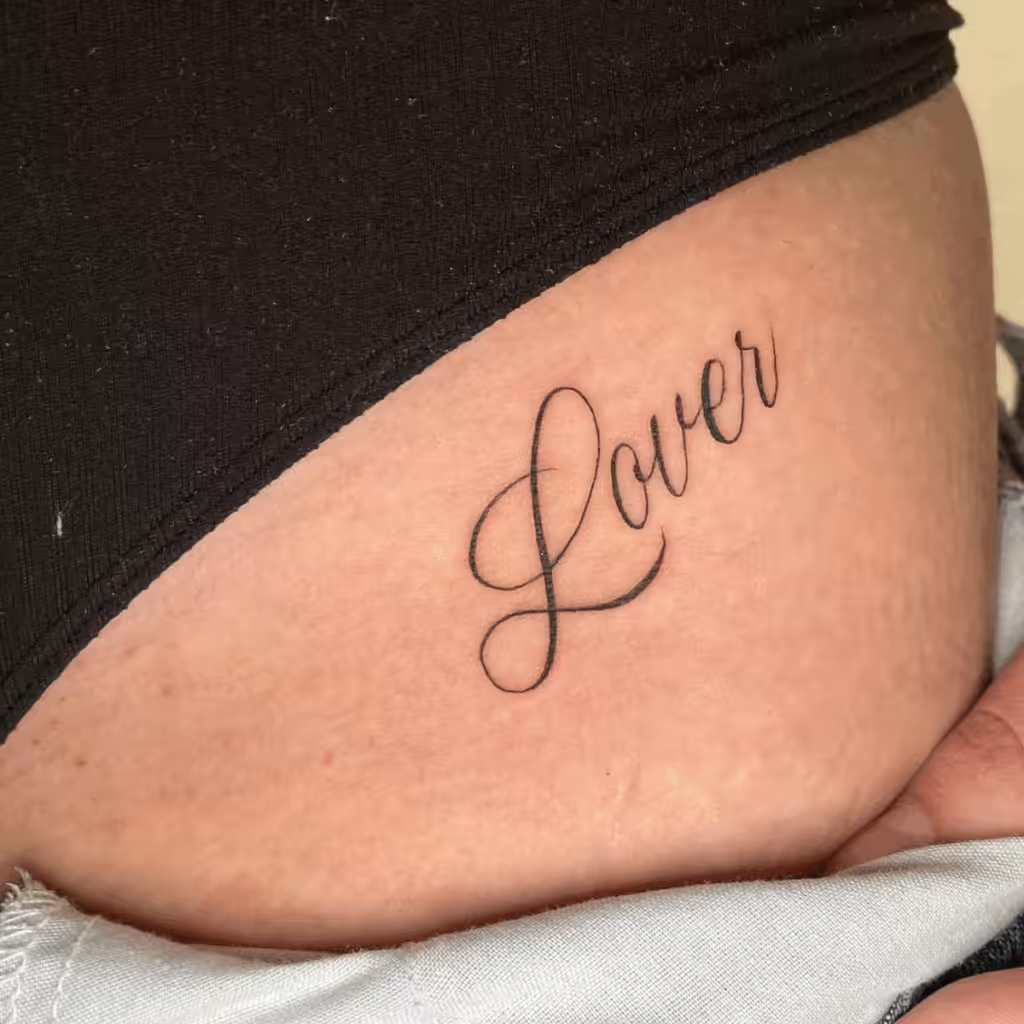
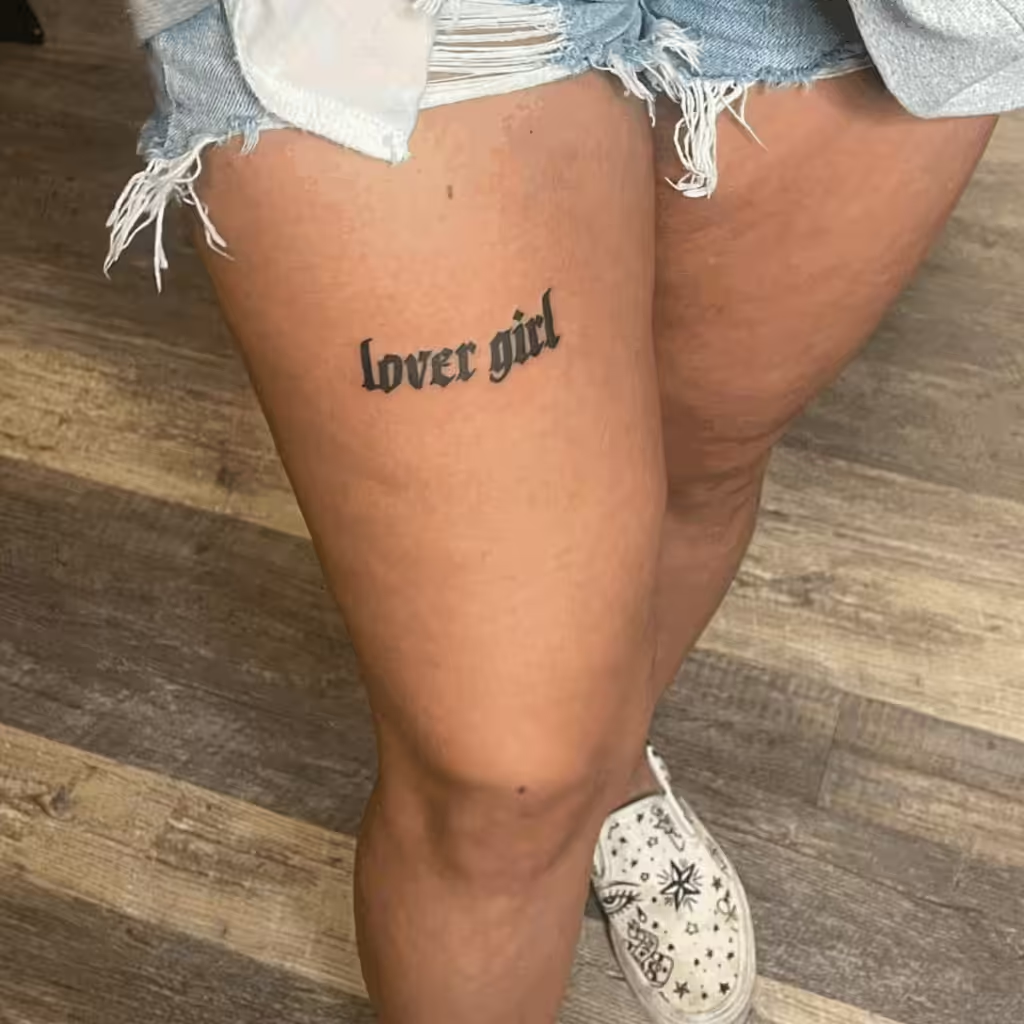
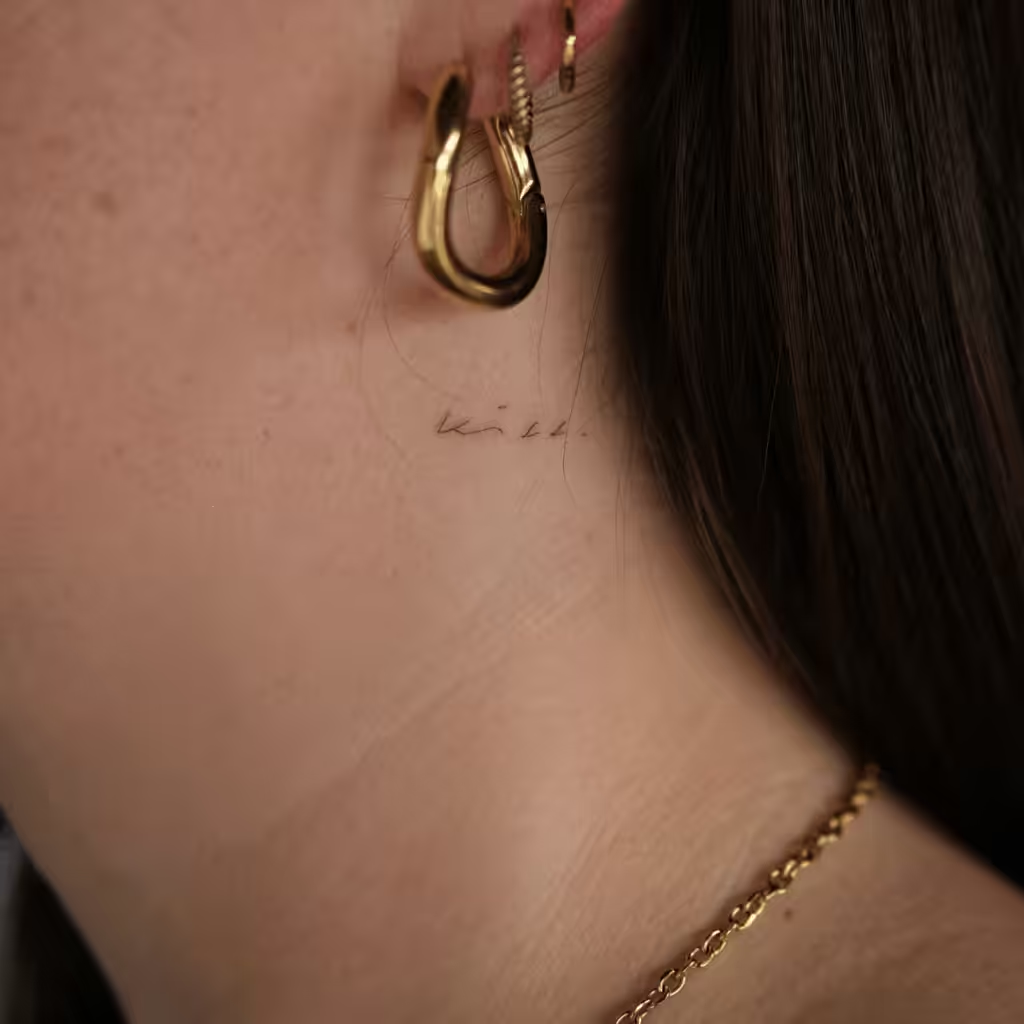
  • The Tiny Lettering: Phrases like “Angel,” “Princess,” or meaningful one-word declarations in a delicate script, often placed high on the hip or clavicle.

Why the Nostalgia is So Strong?

The Y2K resurgence in fashion and body art is driven by more than just aesthetics. For Gen Z, it’s a way to engage with the culture of a time before their peak social media scrutiny, a time that feels relatively lighthearted and fun.

  • Empowerment: Reclaiming styles that were once used to shame women is a powerful feminist act.
  • Low-Rise Logic: As low-rise jeans, crop tops, and visible thongs (“whale tails”) return to the racks, the body art perfectly completes the outfit. It’s the ultimate fashion accessory for a bare midriff.
  • The “IDGAF” Attitude: This generation is less concerned with the outdated judgments of the past, embracing an authentic, sometimes tongue-in-cheek, personal style.

The verdict is in: The tramp stamp has shed its baggage. It’s evolved from a controversial choice into a celebrated piece of customizable art. So, whether you’re considering a delicate fine-line butterfly or a full-blown custom piece on your lower back, now is the perfect time to embrace the ink trend that proves everything old is truly new again.

Ready to get inked? Give us a call and share your favorite modern tramp stamp or Y2K tattoo idea in the comments below!

This is How to Care for Your New Tattoo

Getting a new tattoo at Heatwave Tattoo in Fort Lauderdale is an exciting experience, you’ve just invested in a unique piece of permanent art! However the session is only half the journey. Proper aftercare is critical to ensure your tattoo heals beautifully, keeping the colors vibrant and the lines sharp for years to come.

As Fort Lauderdale’s premier tattoo studio, we’ve put together this comprehensive pillar page to guide you through the healing process, from the moment you leave our studio to long-term maintenance.

Phase 1: The First 24-48 Hours (Critical Care)

This is the most crucial time for your new tattoo, as it’s essentially an open wound. Following your artist’s specific instructions is paramount.

1. The Initial Bandage

Your Heatwave Tattoo artist will cover your new tattoo with a sterile dressing. This could be a traditional plastic wrap or a modern, breathable medical-grade adhesive film (like Saniderm or Dermalize).

  • Traditional Wrap (Plastic Wrap/Gauze):
    • Keep it on for the time specified by your artist (typically 2-3 hours). This protects your fresh ink from airborne bacteria and clothing friction during the most vulnerable period.
    • Do NOT re-bandage with household plastic wrap once removed, as this suffocates the wound and traps moisture, which can lead to infection and poor healing.
  • Modern Film (Second Skin):
    • Your artist will provide exact instructions, but you generally keep the first film on for 24 hours. It’s normal to see fluid (blood, plasma, and excess ink) collect underneath—this is a natural part of the healing process.
    • Remove it gently (ideally under warm running water in the shower) and clean the tattoo.
    • Your artist may suggest applying a second piece of film for an additional 3-5 days.

How to Care for a New Tattoo: The Ultimate Fort Lauderdale Aftercare Guide

Getting a new tattoo at Heatwave Tattoo in Fort Lauderdale is an exciting experience—you’ve just invested in a unique piece of permanent art! But the session is only half the journey. Proper aftercare is critical to ensure your tattoo heals beautifully, keeping the colors vibrant and the lines sharp for years to come.

As Fort Lauderdale’s premier tattoo studio, we’ve put together this comprehensive pillar page to guide you through the healing process, from the moment you leave our studio to long-term maintenance.


Phase 1: The First 24-48 Hours (Critical Care)

This is the most crucial time for your new tattoo, as it’s essentially an open wound. Following your artist’s specific instructions is paramount.

1. The Initial Bandage

Your Heatwave Tattoo artist will cover your new tattoo with a sterile dressing. This could be a traditional plastic wrap or a modern, breathable medical-grade adhesive film (like Saniderm or Dermalize).

  • If a Traditional Wrap (Plastic Wrap/Gauze) is Used:
    • Keep it on for the time specified by your artist (typically 2-3 hours). This protects your fresh ink from airborne bacteria and clothing friction during the most vulnerable period.
    • Do NOT re-bandage with household plastic wrap once removed, as this suffocates the wound and traps moisture, which can lead to infection and poor healing.
  • If a Modern Film (Second Skin) is Used:
    • Your artist will provide exact instructions, but you generally keep the first film on for 24 hours. It’s normal to see fluid (blood, plasma, and excess ink) collect underneath—this is a natural part of the healing process.
    • Remove it gently (ideally under warm running water in the shower) and clean the tattoo.
    • Your artist may suggest applying a second piece of film for an additional 3-5 days.

2. The First Wash

Once the initial bandage is removed:

  • Wash Your Hands: Always thoroughly wash your hands with antibacterial soap before touching your tattoo.
  • Use Lukewarm Water: Gently wash the entire area with mild, fragrance-free antibacterial soap (Dial Gold is a popular choice). Use clean fingers only; avoid abrasive cloths or sponges.
  • Gently Cleanse: Lightly rub the tattoo to remove all traces of plasma, blood, and ointment. This step prevents scabs from becoming thick and pulling out ink.
  • Pat Dry: DO NOT RUB. Gently pat the area dry with a clean, fresh paper towel. Air-dry for 5-10 minutes to ensure it is completely dry.

3. The First Application of Aftercare

  • Apply a very thin layer of the aftercare product recommended by your Heatwave artist. This will likely be a fragrance-free ointment (like Aquaphor, A+D, or a specialized tattoo balm).
  • Less is More: You only need enough product to make the tattoo slightly moist. If your tattoo looks shiny or goopy, you’ve used too much, which can suffocate the skin and prolong healing.
  • Keep it Open: Do not re-bandage the tattoo after this point (unless using a second skin film). It needs to breathe.

Phase 2: The First Two Weeks (Active Healing)

The main aftercare routine focuses on consistency: Cleanse and Moisturize.

Daily Aftercare Routine

  • Wash: Cleanse your tattoo gently 2-3 times per day using the method described above. Always wash after heavy sweating or exposure to a dirty environment.
  • Moisturize: Apply a very thin layer of your chosen aftercare ointment or a mild, fragrance-free lotion (like Lubriderm or Cetaphil Sensitive Skin) 2-3 times a day, or whenever the tattoo feels tight and dry.
    • Tip: After the first 5-7 days, most artists recommend switching from a thick ointment to a gentle, water-based, fragrance-free lotion.

What to Expect During This Phase

TimelineWhat You SeeWhat You Should DoDO NOT DO
Days 1-3Redness, swelling, and oozing (plasma/ink). It will feel tender, like a sunburn.Consistent cleaning (2-3 times/day) and very light moisturizing.Submerge in water, expose to sun, wear tight clothes over it.
Days 4-7Redness subsides. The tattoo may look dull or cloudy. Light flaking or thin scabs start to form. Intense itching may begin.Continue to wash and moisturize. Gently slap (don’t scratch!) to relieve itching.Pick, scratch, or peel the flaking skin/scabs—let them fall off naturally.
Weeks 2-3Most flaking and scabbing is gone. New skin is thin and shiny. The tattoo is almost healed on the surface.Continue moisturizing with a mild lotion until the skin’s texture returns to normal.Expose the new skin to direct sunlight.

The Fort Lauderdale Climate Consideration

Healing a tattoo in a humid, sunny place like Fort Lauderdale requires extra care:

  • Sweat: Sweat can irritate a new tattoo. If you work out, plan your aftercare so you can immediately wash your tattoo with gentle soap after your session.
  • Sand & Water: ABSOLUTELY NO swimming in the ocean, pools, lakes, hot tubs, or taking baths for at least 2-3 weeks (or until the tattoo is fully healed). NO BEACHES! Fort Lauderdale beaches are a no-go zone until healing is complete—submerging your tattoo risks a severe infection.
  • Sun: The Florida sun is your tattoo’s worst enemy. Keep your healing tattoo completely out of the sun. Cover it with loose, breathable clothing if you must go outside. Sunscreen cannot be applied until the tattoo is fully healed.

Phase 3: Long-Term Tattoo Care (Maintenance)

While the surface skin typically heals in 2-3 weeks, the deeper layers can take a few months. Long-term maintenance is essential for longevity.

Sun Protection is King

UV rays are the number one cause of tattoo fading.

  • After Healing: Once the peeling/flaking is completely gone, always apply a broad-spectrum sunscreen with an SPF of 30 or higher to your tattoo before sun exposure. Reapply often, especially when enjoying the Fort Lauderdale sunshine!
  • Daily Moisturizing: Keep your skin healthy and hydrated. Daily moisturizing keeps the colors looking fresh and vibrant.

Things to Continue Avoiding

  • Picking/Scratching: Continue to avoid picking at any lingering scabs or scratching the area.
  • Harsh Products: Stay away from products containing alcohol, fragrances, or exfoliating ingredients on the tattooed area.

Your Trusted Fort Lauderdale Artists

At Heatwave Tattoo, located in Fort Lauderdale, we are dedicated to both creating incredible art and ensuring it heals perfectly. If you have any questions or concerns about your aftercare—even if it seems minor—do not hesitate to call or stop by the shop.

Ready for your next piece? Book a consultation with one of our talented artists today and experience the Heatwave difference!

How to Care for a New Tattoo: The Ultimate Fort Lauderdale Aftercare Guide

Getting a new tattoo at Heatwave Tattoo in Fort Lauderdale is an exciting experience—you’ve just invested in a unique piece of permanent art! But the session is only half the journey. Proper aftercare is critical to ensure your tattoo heals beautifully, keeping the colors vibrant and the lines sharp for years to come.

As Fort Lauderdale’s premier tattoo studio, we’ve put together this comprehensive pillar page to guide you through the healing process, from the moment you leave our studio to long-term maintenance.


Phase 1: The First 24-48 Hours (Critical Care)

This is the most crucial time for your new tattoo, as it’s essentially an open wound. Following your artist’s specific instructions is paramount.

1. The Initial Bandage

Your Heatwave Tattoo artist will cover your new tattoo with a sterile dressing. This could be a traditional plastic wrap or a modern, breathable medical-grade adhesive film (like Saniderm or Dermalize).

  • If a Traditional Wrap (Plastic Wrap/Gauze) is Used:
    • Keep it on for the time specified by your artist (typically 2-3 hours). This protects your fresh ink from airborne bacteria and clothing friction during the most vulnerable period.
    • Do NOT re-bandage with household plastic wrap once removed, as this suffocates the wound and traps moisture, which can lead to infection and poor healing.
  • If a Modern Film (Second Skin) is Used:
    • Your artist will provide exact instructions, but you generally keep the first film on for 24 hours. It’s normal to see fluid (blood, plasma, and excess ink) collect underneath—this is a natural part of the healing process.
    • Remove it gently (ideally under warm running water in the shower) and clean the tattoo.
    • Your artist may suggest applying a second piece of film for an additional 3-5 days.

2. The First Wash

Once the initial bandage is removed:

  • Wash Your Hands: Always thoroughly wash your hands with antibacterial soap before touching your tattoo.
  • Use Lukewarm Water: Gently wash the entire area with mild, fragrance-free antibacterial soap (Dial Gold is a popular choice). Use clean fingers only; avoid abrasive cloths or sponges.
  • Gently Cleanse: Lightly rub the tattoo to remove all traces of plasma, blood, and ointment. This step prevents scabs from becoming thick and pulling out ink.
  • Pat Dry: DO NOT RUB. Gently pat the area dry with a clean, fresh paper towel. Air-dry for 5-10 minutes to ensure it is completely dry.

3. The First Application of Aftercare

  • Apply a very thin layer of the aftercare product recommended by your Heatwave artist. This will likely be a fragrance-free ointment (like Aquaphor, A+D, or a specialized tattoo balm).
  • Less is More: You only need enough product to make the tattoo slightly moist. If your tattoo looks shiny or goopy, you’ve used too much, which can suffocate the skin and prolong healing.
  • Keep it Open: Do not re-bandage the tattoo after this point (unless using a second skin film). It needs to breathe.

Phase 2: The First Two Weeks (Active Healing)

The main aftercare routine focuses on consistency: Cleanse and Moisturize.

Daily Aftercare Routine

  • Wash: Cleanse your tattoo gently 2-3 times per day using the method described above. Always wash after heavy sweating or exposure to a dirty environment.
  • Moisturize: Apply a very thin layer of your chosen aftercare ointment or a mild, fragrance-free lotion (like Lubriderm or Cetaphil Sensitive Skin) 2-3 times a day, or whenever the tattoo feels tight and dry.
    • Tip: After the first 5-7 days, most artists recommend switching from a thick ointment to a gentle, water-based, fragrance-free lotion.

What to Expect During This Phase

TimelineWhat You SeeWhat You Should DoDO NOT DO
Days 1-3Redness, swelling, and oozing (plasma/ink). It will feel tender, like a sunburn.Consistent cleaning (2-3 times/day) and very light moisturizing.Submerge in water, expose to sun, wear tight clothes over it.
Days 4-7Redness subsides. The tattoo may look dull or cloudy. Light flaking or thin scabs start to form. Intense itching may begin.Continue to wash and moisturize. Gently slap (don’t scratch!) to relieve itching.Pick, scratch, or peel the flaking skin/scabs—let them fall off naturally.
Weeks 2-3Most flaking and scabbing is gone. New skin is thin and shiny. The tattoo is almost healed on the surface.Continue moisturizing with a mild lotion until the skin’s texture returns to normal.Expose the new skin to direct sunlight.

The Fort Lauderdale Climate Consideration

Healing a tattoo in a humid, sunny place like Fort Lauderdale requires extra care:

  • Sweat: Sweat can irritate a new tattoo. If you work out, plan your aftercare so you can immediately wash your tattoo with gentle soap after your session.
  • Sand & Water: ABSOLUTELY NO swimming in the ocean, pools, lakes, hot tubs, or taking baths for at least 2-3 weeks (or until the tattoo is fully healed). NO BEACHES! Fort Lauderdale beaches are a no-go zone until healing is complete—submerging your tattoo risks a severe infection.
  • Sun: The Florida sun is your tattoo’s worst enemy. Keep your healing tattoo completely out of the sun. Cover it with loose, breathable clothing if you must go outside. Sunscreen cannot be applied until the tattoo is fully healed.

Phase 3: Long-Term Tattoo Care (Maintenance)

While the surface skin typically heals in 2-3 weeks, the deeper layers can take a few months. Long-term maintenance is essential for longevity.

Sun Protection is King

UV rays are the number one cause of tattoo fading.

  • After Healing: Once the peeling/flaking is completely gone, always apply a broad-spectrum sunscreen with an SPF of 30 or higher to your tattoo before sun exposure. Reapply often, especially when enjoying the Fort Lauderdale sunshine!
  • Daily Moisturizing: Keep your skin healthy and hydrated. Daily moisturizing keeps the colors looking fresh and vibrant.

Things to Continue Avoiding

  • Picking/Scratching: Continue to avoid picking at any lingering scabs or scratching the area.
  • Harsh Products: Stay away from products containing alcohol, fragrances, or exfoliating ingredients on the tattooed area.

When to Contact Heatwave Tattoo or a Doctor

While mild swelling and redness are normal, you should contact Heatwave Tattoo immediately if you experience any of the following signs of infection:

  • Excessive Swelling: Swelling that extends significantly beyond the tattoo border.
  • Severe Pain: Intense pain that is not relieved with over-the-counter pain relievers.
  • Foul Odor or Unusual Discharge: Thick, yellow, or greenish discharge, or a noticeable foul smell.
  • Fever or Chills: These are systemic signs of a serious infection and require immediate medical attention.

Your Trusted Fort Lauderdale Artists

At Heatwave Tattoo, located in Fort Lauderdale, we are dedicated to both creating incredible art and ensuring it heals perfectly. If you have any questions or concerns about your aftercare, even if it seems minor, do not hesitate to call or stop by the shop.

Ready for your next piece? Book a consultation with one of our talented artists today and experience the Heatwave difference! Heatwave Tattoo located at 2609 E Commercial Blvd Unit B, Fort Lauderdale, FL 33308 (954) 900-5650.